Where Care Excellence Meets Business Success. Transform your operations today - 0333 577 0877
We are here to help 24/7.



What is a Discretionary Housing Payment? 2026 Update for Care Business

Text to speech
Duration: 00:00
Font size
Published: 17 Apr, 2026
Share this on:
A discretionary housing payment (DHP) is a temporary financial support provided by local councils in the UK to help people cover rent or housing costs when Housing Benefit or the housing element of Universal Credit is not enough.
Councils award a DHP based on individual circumstances, which means it is not guaranteed and depends on available funding and level of need.
For care providers, a discretionary housing payment often plays a critical role in keeping vulnerable clients housed. When clients fall into rent arrears or face eviction, a DHP can stabilise their living situation and allow care services to continue without disruption.

Key Takeaways
- A discretionary housing payment is not a guaranteed benefit; councils award it based on discretion and available funds.
- A DHP payment helps cover rent shortfalls, emergency housing costs, and temporary financial gaps.
- You must already receive Housing Benefit or Universal Credit (housing element) to qualify.
- Local councils prioritise applicants with the highest financial need and risk of homelessness.
- Discretionary housing payments can support vulnerable individuals, including elderly and disabled care clients.
- Care providers can use DHPs to help prevent eviction and maintain continuity of care for their clients.
Why Discretionary Housing Payments Matter for Care Providers
Care providers often support clients who struggle to keep up with rent due to low income, illness, or sudden life changes. When housing becomes unstable, care delivery also suffers. A discretionary housing payment for rent arrears can prevent eviction and help clients remain in a safe, familiar environment.
For example, a domiciliary care client who falls behind on rent may face eviction within weeks. If that client loses their home, care providers must reorganise services, delay support, or lose contact entirely. A DHP can quickly close the rent gap and stabilise the situation.
Care providers also play a key role in identifying when clients need help. Many vulnerable individuals do not know they can apply for a discretionary housing payment or feel overwhelmed by the process. By stepping in early, care teams can help clients access support, cover urgent costs, and even secure help with moving costs when relocation becomes necessary.
In practice, DHPs help care providers:
- Prevent disruption to ongoing care plans
- Reduce emergency interventions caused by housing crises
- Support safer hospital discharges where housing is at risk
- Protect vulnerable clients from homelessness
When housing remains stable, care outcomes improve. That is why understanding and using discretionary housing payments is essential for any care provider supporting at-risk individuals.
RELATED: Earned Income Disallowance: Benefits & Allowances (2026 Guide)
Who Can Apply for a Discretionary Housing Payment?
You can apply for a discretionary housing payment if you already receive financial support for housing and still cannot cover your rent or housing costs. Councils only consider applications from people who meet this core requirement.
You can apply for a discretionary housing payment if you receive Housing Benefit or the housing element of Universal Credit and need extra help with housing costs.
Eligibility Criteria
To submit a discretionary housing payment application, you must:
- Receive Housing Benefit, or
- Receive the housing element of Universal Credit, and
- Show that your current benefits do not fully cover your housing costs
There are no strict age limits, but you must have a legal responsibility to pay rent.
From a Caregiver Perspective
Care providers should actively identify clients who meet these criteria, especially those:
- Struggling with ongoing rent payments
- Facing eviction or housing instability
- Living with disabilities or long-term health conditions
- Transitioning from hospital or supported care
Helping a client complete a DHP application early can prevent escalation into homelessness and reduce pressure on care services.
Councils assess each case individually, so strong evidence and clear explanations significantly improve approval chances.
What Can a Discretionary Housing Payment Cover?
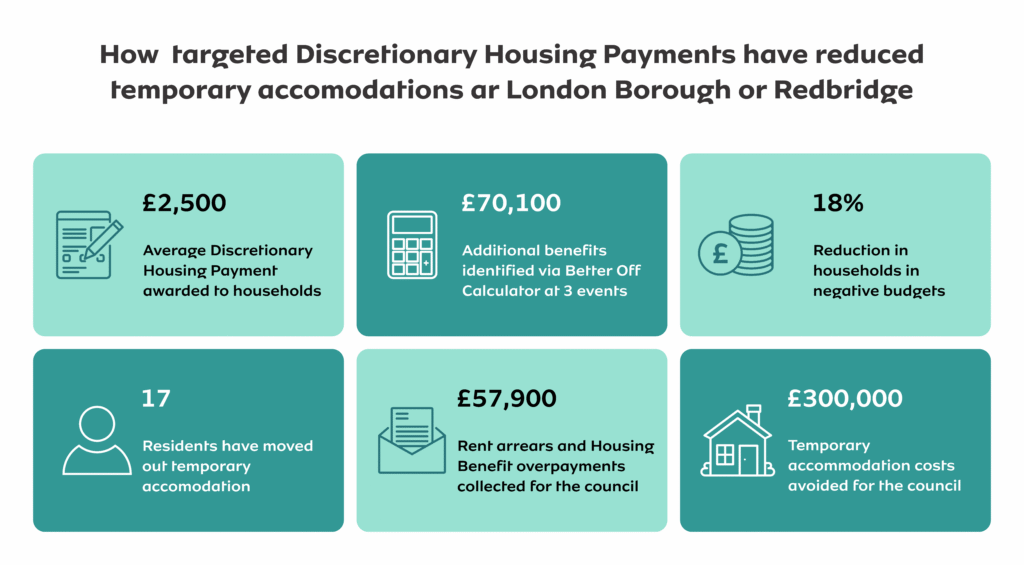
A discretionary housing payment supports short-term housing needs when standard benefits do not fully cover costs. Councils decide what to fund based on urgency, financial hardship, and risk of homelessness.
Common Costs Covered
A DHP payment can help with:
- Rent shortfalls – when Housing Benefit or Universal Credit does not cover full rent
- Discretionary housing payment for rent arrears – to reduce or clear overdue rent
- Tenancy deposits – to secure a new home
- Rent in advance – required before moving into a property
- Help with moving costs – including relocation expenses when a move becomes necessary
From a Caregiver Perspective
Care providers should prioritise DHP support for clients who:
- Risk eviction due to unpaid rent
- Need to move to safer or more suitable housing
- Cannot afford upfront housing costs
- Require stable accommodation to continue receiving care
For example, if a vulnerable client must relocate closer to family or medical support, a discretionary housing payment can cover deposits and moving expenses. This prevents delays in care and reduces disruption to their wellbeing.
A DHP does not provide long-term income support. It acts as a temporary safety net to stabilise housing while the individual improves their financial situation or transitions to more sustainable arrangements.
READ MORE: NVQ Level 3 Health and Social Care: Requirements, Jobs, Salary, How to Get It in 2026
What a Discretionary Housing Payment Cannot Cover
A discretionary housing payment only supports specific housing-related costs. Councils will reject applications that include expenses outside this scope, even if the applicant faces financial hardship.
Costs a DHP Cannot Cover
A DHP payment cannot be used for:
- Council tax or Council Tax Support shortfalls
- Utility bills such as water, gas, or electricity
- Food or general living expenses
- Service charges not eligible under Housing Benefit (e.g., heating, meals)
- Rent increases caused by existing arrears
- Benefit reductions due to sanctions
From a Caregiver Perspective
Care providers should guide clients to focus their discretionary housing payment application on eligible housing costs only. Including non-eligible expenses can weaken the application and delay approval.
If a client struggles with broader financial issues, care teams should explore alternative support options alongside DHP, such as local welfare schemes or community grants. Keeping the application focused increases the chances of securing urgent housing support quickly.
How to Apply for a Discretionary Housing Payment (Step-by-Step)
Applying for a discretionary housing payment involves working directly with your local council. Each council manages its own process, so requirements may vary slightly.
To apply for a discretionary housing payment, you must contact your local council and complete a DHP application with details of your income, expenses, and housing situation.
Step-by-Step Process
- Contact your local council
Find your council’s website or call their discretionary housing payment contact number. Most councils provide an online form.
- Complete the application form
Fill out the discretionary housing payment application (or DHP application) with accurate details about:
- Income and benefits
- Monthly expenses
- Rent and housing situation
- Provide supporting evidence
Submit documents such as:
- Bank statements
- Rent statements or arrears notices
- Medical evidence (if health affects your housing needs)
- Explain your situation clearly
Describe why you need support, what caused the shortfall, and how a DHP will help stabilise your housing.
- Wait for the council’s decision
The council will assess your application and decide:
- Whether to award a DHP
- How much you will receive
- How long payments will last
From a Caregiver Perspective
Care providers should support clients through the DHP application process, especially those who:
- Struggle with paperwork
- Have limited digital access
- Need help explaining their circumstances
A well-prepared application significantly increases approval chances and ensures faster access to support.
SEE ALSO: What is 24 Hour Live In Care? 2026 Update for Care Businesses
What Happens If a DHP Application Is Refused?
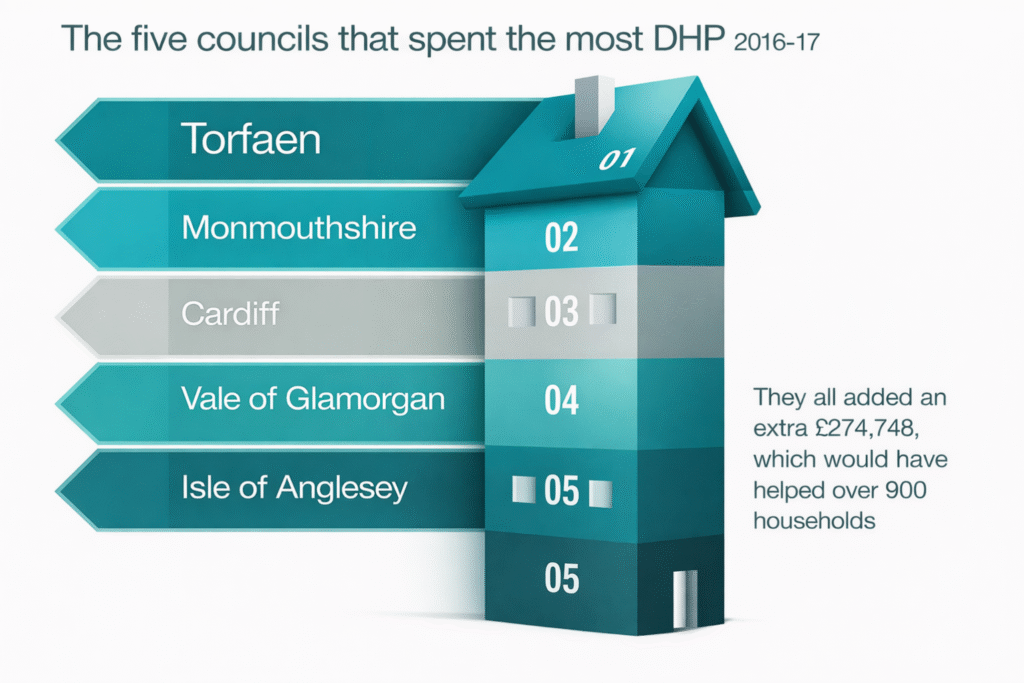
Councils make decisions on a discretionary housing payment based on limited budgets and individual circumstances. If they refuse a DHP application, it does not mean the case is closed.
A discretionary housing payment is not a legal entitlement, so there is no formal right of appeal to a tribunal.
What You Can Do Next
If your discretionary housing payment application is refused, you should:
- Request a review from the council
- Provide new or additional evidence (e.g., updated rent arrears, medical reports)
- Clearly explain any changes in your financial or housing situation
A different officer usually reviews the case, which can lead to a different outcome if you strengthen your application.
From a Caregiver Perspective
Care providers play a crucial role when a client’s application gets rejected. Instead of stopping at the first decision, care teams should:
- Help gather stronger supporting evidence
- Highlight risks such as eviction, health deterioration, or safeguarding concerns
- Reframe the application to show urgency and impact
For example, if a vulnerable client faces eviction, a caregiver can document how losing housing will disrupt care and increase risk. This added context often influences council decisions during a review.
Rejections often happen due to incomplete information, not because the client does not qualify. A stronger resubmission can significantly improve approval chances.
Regional Differences You Must Know (UK Breakdown)
Discretionary housing support varies across the UK. While the core idea remains the same, each region applies its own structure, funding model, and terminology.
England
In England, councils still issue discretionary housing payments, but many areas now operate under a broader Crisis and Resilience Fund. This shift allows councils to combine housing support with wider financial assistance.
Care providers should check local council updates, as some areas may no longer label support strictly as a DHP but still offer similar help.
Scotland
In Scotland, discretionary housing payment Scotland schemes actively support tenants affected by the bedroom tax.
- Social housing tenants may receive full support for bedroom tax shortfalls
- Some cases do not require a detailed financial assessment
- Applicants must still complete a formal application
This makes Scotland one of the most supportive regions for DHP-related housing stability.
Northern Ireland
In Northern Ireland, support works differently through discretionary support NI rather than standard DHP structures.
Key points:
- Managed under discretionary support Northern Ireland schemes
- Offers crisis payments and northern ireland one off benefits
- Includes emergency financial help beyond housing
Applicants may need to contact a discretionary support number NI to apply or get guidance.
This system focuses more on urgent need rather than ongoing rent shortfalls.
Wales
Wales continues to offer DHP support alongside other funding schemes such as the discretionary assistance fund for Wales.
- Supports housing costs and emergency needs
- Works alongside local council decisions
- Often used for both shortfalls and crisis support
From a Caregiver Perspective
Care providers must understand regional differences to guide clients effectively. A strategy that works in England may not apply in Northern Ireland or Scotland.
By identifying the correct scheme, whether it’s discretionary housing payments, discretionary support, or a regional fund, care teams can help clients access the right support faster and avoid delays in care delivery.
MORE: UK Pensioners PIP Backdated Payments 2025: What You Need to Know in 2026
Should Care Providers Help Clients Apply for a Discretionary Housing Payment?
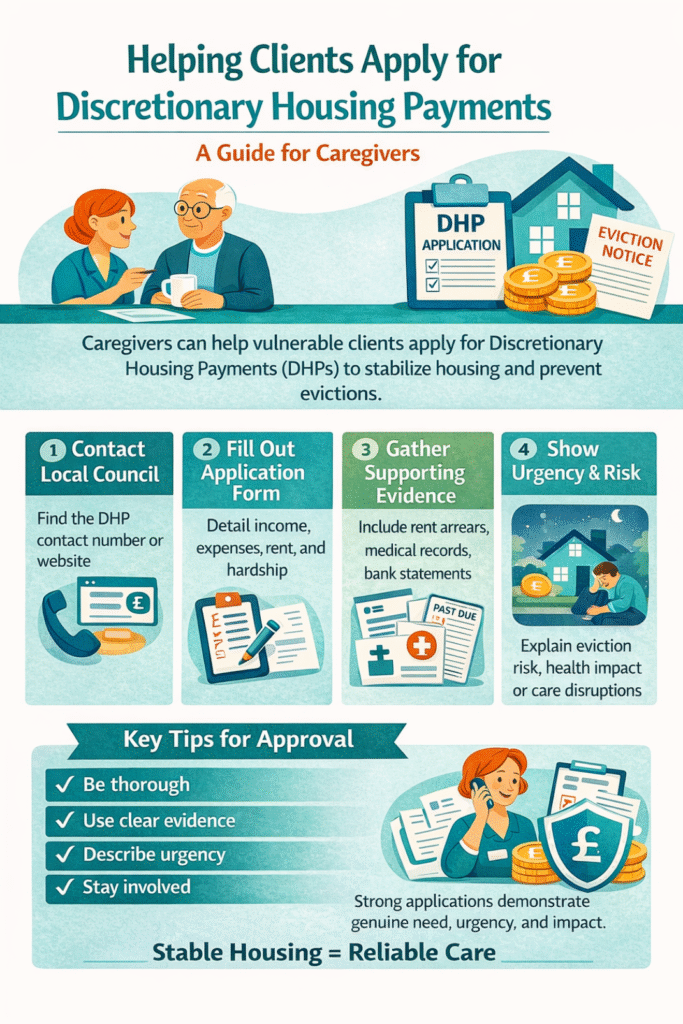
Care providers should actively help clients apply for a discretionary housing payment when housing instability affects care delivery. Stable housing directly supports consistent care, safety, and better health outcomes.
Care providers play a critical role in identifying when a client needs a DHP and ensuring the application reflects the client’s real level of risk.
When Care Providers Should Step In
Care teams should support a discretionary housing payment application when a client:
- Faces eviction due to rent arrears
- Struggles to cover rent despite receiving benefits
- Needs to relocate for health, safety, or care access
- Requires help with moving costs after hospital discharge
- Lives with disabilities or conditions that limit financial independence
Why This Matters
When housing becomes unstable:
- Care plans break down
- Emergency interventions increase
- Clients face higher safeguarding risks
A DHP payment can prevent these issues by covering urgent housing gaps and allowing care services to continue without disruption.
Practical Role of Care Providers
Care providers can:
- Help complete the DHP application accurately
- Gather supporting evidence (medical records, care plans, risk notes)
- Clearly explain how housing instability affects care delivery
- Follow up with councils if delays occur
Strategic Advantage for Care Organisations
Supporting clients with discretionary housing payments also benefits care organisations:
- Reduces missed visits caused by relocation or eviction
- Improves continuity of care
- Strengthens trust with clients and families
- Demonstrates proactive safeguarding and compliance
Care providers who take this approach do not just deliver care, they protect the conditions that make care possible.
ALSO: What Time Is Sundowning? 2026 Update for Care Workers
How to Increase Approval Chances for a Discretionary Housing Payment
Councils do not approve every discretionary housing payment application. They prioritise applicants who clearly demonstrate financial hardship and risk. A strong application can significantly improve your chances of receiving a DHP payment.
Councils award discretionary housing payments based on evidence, urgency, and risk, not just eligibility.
What Councils Look For
To approve a discretionary housing payment application, councils assess:
- Level of financial hardship
- Risk of eviction or homelessness
- Vulnerability (health conditions, disability, age)
- Efforts to manage finances or reduce costs
- Why current housing is necessary
How to Strengthen a DHP Application
Follow these practical steps to improve approval chances:
- Provide a full financial breakdown
Show income, expenses, debts, and shortfalls clearly
- Include medical or care evidence
Explain why moving would negatively impact health or care
- Explain the cause of hardship
For example: job loss, illness, benefit changes, or rent increases
- Focus on urgency
Highlight eviction notices, rent arrears, or safeguarding risks
- Be specific and honest
Avoid vague statements, clearly show why support is needed
From a Caregiver Perspective
Care providers can significantly improve outcomes by strengthening applications for vulnerable clients.
Care teams should:
- Attach care plans or risk assessments
- Explain how housing instability affects care delivery
- Highlight safeguarding concerns if housing is lost
- Support clients in submitting complete and accurate information
For example, if a client requires daily care and faces eviction, a caregiver can show how losing that housing will disrupt essential services. This type of evidence often makes the difference between rejection and approval.
Common Reasons Applications Get Rejected
Understanding mistakes helps avoid them:
- Incomplete or missing information
- Weak explanation of hardship
- Including costs a DHP cannot cover
- Lack of supporting evidence
- No clear risk of homelessness
A well-prepared DHP application addresses all of these upfront and positions the applicant as a priority case.
Strong, evidence-backed applications stand out. When you clearly show need, urgency, and impact, councils are far more likely to approve a discretionary housing payment.
Final Thought…
Housing stability sits at the heart of effective care delivery. When a client struggles to pay rent or faces eviction, the impact goes far beyond finances, it disrupts routines, increases health risks, and puts pressure on already stretched care services.
A discretionary housing payment may seem like a small, temporary solution, but in practice, it can make the difference between stability and crisis.
For care providers, understanding how to identify, support, and strengthen DHP applications is no longer optional, it is a key part of safeguarding and delivering high-quality care. The ability to step in early, guide clients through the process, and secure the right support ensures that care plans remain consistent and outcomes remain positive.
In a system where funding decisions rely on discretion, preparation and clarity matter. The more effectively you present a client’s situation, the greater the chances of securing support.
Care does not stop at clinical or personal support, it extends to creating the conditions that allow individuals to live safely and with dignity. When you use tools like discretionary housing payments strategically, you do more than solve a housing issue, you protect lives, stability, and long-term care success.
Need Help Supporting Clients with Housing Stability and DHP Applications?
At Care Sync Experts, we don’t just explain discretionary housing payments, we help care providers use them effectively to protect vulnerable clients and maintain continuity of care.
Whether you need support with:
- Helping clients apply for discretionary housing payment successfully
- Reducing eviction risks and managing rent arrears cases
- Navigating local council processes and DHP applications
- Understanding regional schemes like discretionary support Northern Ireland or Scotland-specific rules
- Strengthening safeguarding by securing stable housing for clients
We’re here to guide you.
Don’t let housing instability disrupt your care delivery or put your clients at risk.
Let our experts help you build a more stable, compliant, and client-focused care operation.
Speak with Care Sync Experts and take the next step toward delivering safer, more resilient care services across the UK.
FAQ
How much do you get for a discretionary fund?
There is no fixed amount for a discretionary housing payment. Each council decides how much to award based on your financial situation, rent shortfall, and level of need.
Some people receive small top-ups to cover a rent gap, while others may receive larger, short-term payments to clear rent arrears or prevent eviction. The amount and duration vary depending on available funding and urgency.
Can I get a grant to help me move house in the UK?
Yes, you may receive help with moving costs through a discretionary housing payment or other local support schemes. Councils can use DHP funding to cover:
– Rent in advance
– Tenancy deposits
– Removal costs
In some areas, additional schemes like local welfare assistance or relocation support may also be available. Care providers should explore all options when a client needs to move urgently.
What are examples of discretionary payments?
Discretionary payments are not guaranteed and depend on individual circumstances. Common examples include:
– Discretionary housing payments (DHPs) for rent shortfalls
– Emergency grants from local councils
– Crisis support schemes such as discretionary support Northern Ireland
– Local welfare or hardship funds
These payments aim to support individuals facing financial difficulty, especially where standard benefits fall short.
What not to say when applying for a grant?
When completing a discretionary housing payment application, avoid vague or incomplete explanations.
Do not:
– Provide unclear or inconsistent financial details
– Downplay your financial hardship
– Include irrelevant expenses that DHP cannot cover
– Submit incomplete evidence
Instead, clearly explain your situation, show urgency (e.g., risk of eviction), and provide strong supporting documents. A focused and honest application significantly improves your chances of approval.

Would you like to receive update from CareSync Experts?
All rights reserved. Copyright © - Care Sync Experts.


