Earned Income Disallowance: Benefits and Allowances Guide
Earned Income Disallowance: Benefits & Allowances (2026 Guide)
Text to speech
00:00
5sec
Duration: 00:00
Font size
Published: 16 Apr, 2026
Share this on:
Earned income disallowance is not an official UK GOV.UK term, but people use it to describe income that is ignored (or “disregarded”) when calculating benefits like Council Tax Reduction or Universal Credit.
In practice, earned income disallowance UK gov uk guidance refers to how certain earnings are treated, either counted, partially ignored, or taxed, depending on eligibility rules. For caregiver businesses, this directly affects how care workers’ wages interact with benefits and overall income stability.
Earned income disallowance is not a formal term used on GOV.UK, but it commonly describes income that is ignored (disregarded) when calculating means-tested benefits.
In UK guidance, this concept appears as earnings disregards rather than “disallowance.” These rules determine how much of a person’s wages the system counts when assessing benefit entitlement.
Earned income disallowance in the UK usually describes income that is excluded when calculating means-tested benefits such as Council Tax Reduction or Universal Credit.
From a practical standpoint, there are two ways the system treats income:
Disregarded income (not counted): A portion of earnings gets ignored to support low-income workers
Counted income (fully assessed): The remaining earnings reduce benefit entitlement
This distinction creates confusion, especially for care workers and small care providers who search terms like earned income disallowance UK gov uk expecting a single rule. In reality, the treatment of income depends on the specific benefit, local council policies, and personal circumstances.
For caregiver businesses, understanding this concept is essential. Many care workers rely on a mix of wages and benefits, so how earnings are assessed can directly influence take-home income, shift availability, and job retention.
The way the system applies earned income disallowance depends on the specific benefit. For care workers, this often comes down to how much of their wages the system ignores before reducing their benefits.
Council Tax Reduction (CTR)
Local councils apply earnings disregards when calculating CTR. These rules define how much income they ignore each week:
Single person: usually £5 per week
Couple: usually £10 per week
Disabled person or carer: around £20 per week
Lone parent: around £25 per week
This means a portion of earnings does not affect entitlement, improving affordability for low-income households.
Earned income disallowance UK eligibility for CTR depends on household type, disability status, and local council rules.
Universal Credit (UC) and Surplus Earnings
Universal Credit works differently. It does not use fixed “disallowance” amounts in the same way as CTR. Instead, it applies:
Work allowances (for some claimants)
Taper rates (reducing benefits as income increases)
Surplus earnings rules
Surplus earnings universal credit rules carry forward excess income from one assessment period to another. This can reduce future payments if a care worker earns more in a given month (for example, due to extra shifts).
Many care workers:
Work variable shifts
Earn weekly or hourly wages
Rely on benefits alongside income
Because of this, even small changes in earnings can:
Reduce benefit payments
Affect eligibility
Create income instability
For caregiver businesses, understanding how earnings are assessed helps protect staff income, improve retention, and ensure compliance with benefit-related regulations.
Care providers who understand these rules can better structure shifts, support employees, and avoid unintended financial pressure on their workforce.
Reduced Earnings Allowance and Loss of Earnings in Care Work
Earned Income Disallowance: Benefits & Allowances
Reduced Earnings Allowance (REA) supports workers who suffer a loss of earnings because of a work-related injury or disease. Although it applies only to cases before October 1990, many care providers still encounter it when supporting long-term staff.
Reduced earnings allowance provides financial support when a worker cannot return to their previous earning level due to a work-related condition.
When Does Reduced Earnings Allowance Apply?
A worker may qualify if:
A workplace injury or illness reduces their ability to earn
They cannot return to their original role
They cannot find alternative work at the same pay level
This creates a direct link between loss earnings and benefit support.
Caregiver-Specific Scenario
Care work is physically demanding. Staff often face:
Back injuries from lifting patients
Long-term fatigue or burnout
Occupational conditions like hearing loss
In these cases, a worker may experience a loss of earning capacity, especially if they move from full-time care roles to lighter duties or part-time work.
Why Care Providers Should Pay Attention
Even though REA applies to older cases, the principle still matters today:
It highlights how loss of earnings allowance supports injured workers
It connects to modern claims like Gov UK industrial deafness claim
It reinforces the importance of workplace safety and compliance
Care businesses that understand these systems can:
Support affected staff properly
Reduce legal and financial risks
Maintain a responsible employer reputation
Understanding reduced earnings allowance and loss of earnings helps care providers manage workforce risks and long-term staff wellbeing effectively.
Retirement Allowance UK and Long-Term Impact on Care Workers
Retirement Allowance UK replaces Reduced Earnings Allowance (REA) once a claimant reaches State Pension age and is no longer in regular employment.
Retirement Allowance is a continuation of Reduced Earnings Allowance, paid to individuals whose earning capacity remains reduced after reaching pension age.
How the Transition Works
A care worker who previously received reduced earnings allowance may move to Retirement Allowance benefit if:
They reach State Pension age
They stop regular employment
Their loss of earning capacity continues
Payments continue, but the structure shifts to reflect retirement status rather than active employment.
The care workforce includes many older workers who:
Continue working beyond traditional retirement age
Experience long-term physical strain
Face gradual reductions in earning capacity
For these workers, benefits like Retirement Allowance UK provide financial support when they can no longer maintain previous income levels.
Business Impact for Care Providers
Caregiver businesses should understand how long-term income support works because it affects:
Workforce planning for aging staff
Occupational health policies
Staff transition into retirement
Care providers who understand Retirement Allowance benefit can better support experienced staff while maintaining a stable and compliant workforce.
Supporting workers through this transition also strengthens retention, trust, and overall staff wellbeing, key factors in a sector already facing workforce shortages.
Other Related UK Benefits Care Providers Should Know
Care providers should not focus only on earned income disallowance. Several related benefits affect staff income, eligibility, and long-term wellbeing.
Industrial Injuries and Workplace Claims
Care work exposes staff to physical strain and occupational risks. Some workers may qualify for compensation through schemes such as:
Industrial Injuries Disablement Benefit (IIDB)
Specific claims like Gov UK industrial deafness claim
For example, long-term exposure to noisy environments or repeated strain can lead to hearing loss or musculoskeletal conditions.
Industrial injury benefits support workers whose health conditions result directly from their job.
Invalidity Benefit UK (Legacy Context)
Invalidity Benefit UK no longer accepts new claims, but some long-term recipients still receive support.
This benefit:
Applied to people unable to work due to illness or disability
Has largely been replaced by Employment and Support Allowance (ESA)
Care providers may still encounter staff or clients affected by these legacy systems.
Understanding these benefits helps care providers:
Support staff facing health-related income loss
Navigate compliance with workplace safety expectations
Reduce risks linked to injury-related claims
It also strengthens your position when dealing with inspections, contracts, and workforce policies.
Care businesses that understand related benefits can better protect staff, improve retention, and meet regulatory expectations.
These benefits connect closely with loss of earnings, workplace safety, and long-term staff wellbeing, key factors in running a sustainable care service.
Common Confusion: Tax vs Benefits (“Disallowed Income” Explained)
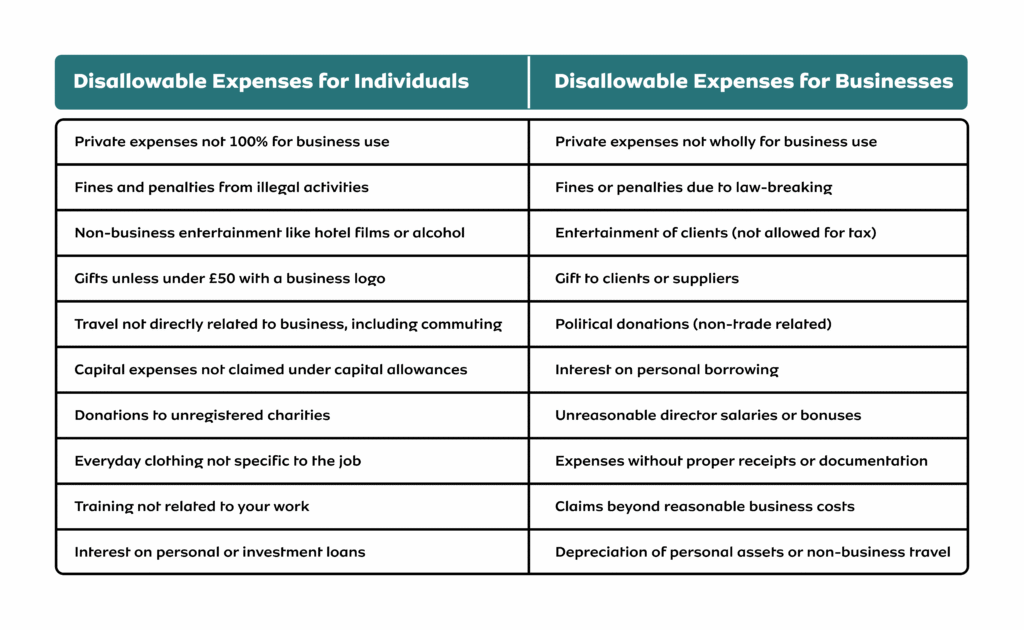
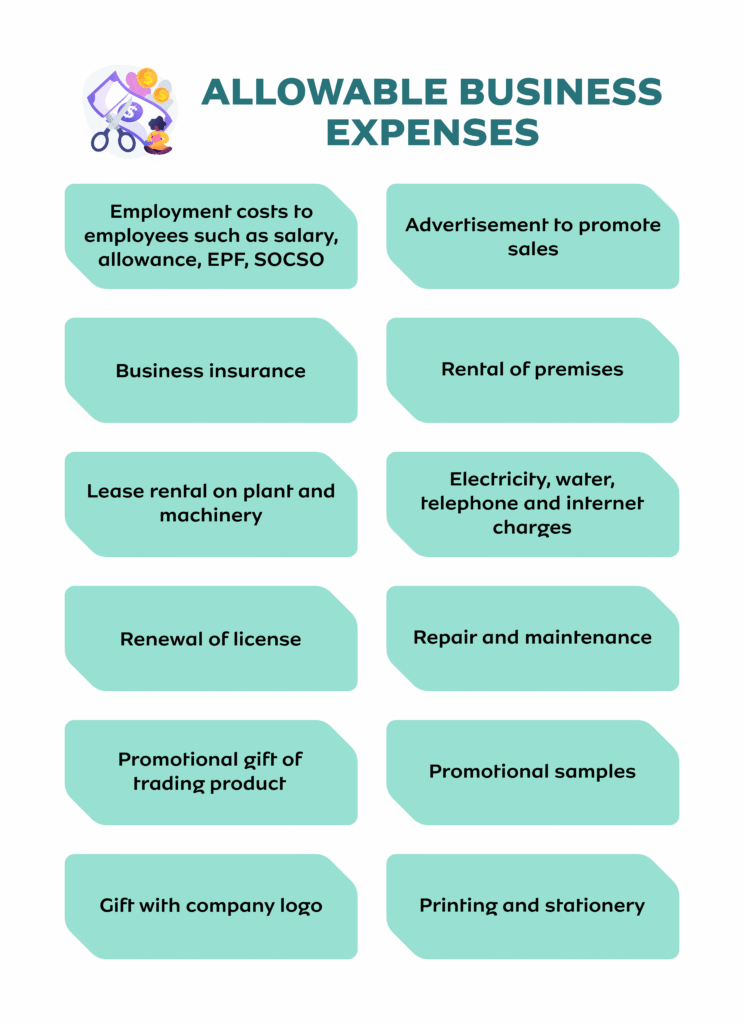
What are Allowable and Disallowable Expenses
Many people confuse earned income disallowance with tax rules. In reality, the UK treats income differently depending on whether you are dealing with benefits or taxation.
In benefits, some income is disregarded to support low-income workers, while in tax, income above the Personal Allowance is not disregarded and becomes taxable.
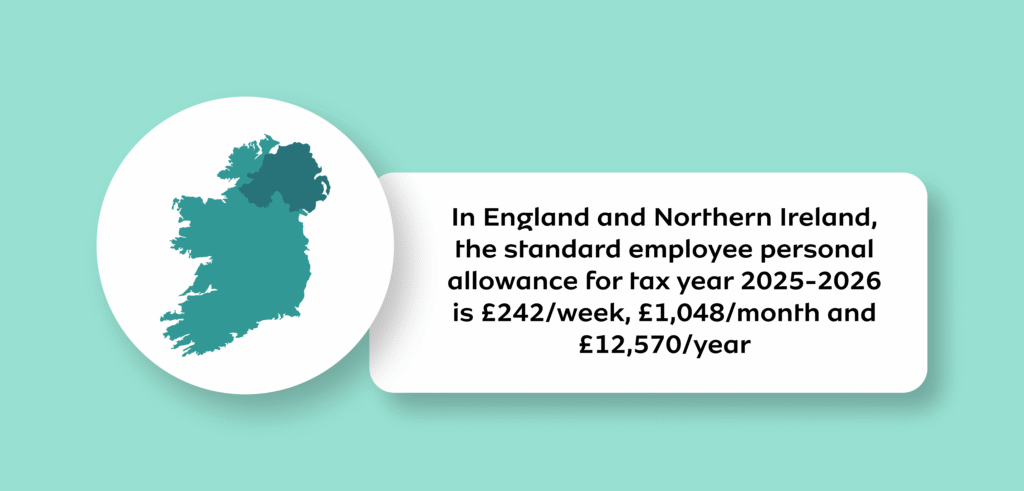
Income Tax: Personal Allowance
For the 2026/27 tax year:
You can earn up to £12,570 tax-free
Any income above this amount becomes taxable
This is sometimes misunderstood as “disallowed income,” but it simply means the income is no longer exempt from tax.
Benefits: Income Disregards
In contrast, benefits like CTR or Universal Credit:
Ignore part of your income (earnings disregards)
Reduce support gradually as earnings increase
This creates the idea of earned income disallowance, even though the system uses different terminology.
Where Confusion Happens
Search terms like:
disallowed earned income credit
earned income credit disallowance
earned income credit after disallowance
Often come from misunderstanding or mixing UK and non-UK systems (e.g., US tax credits).
Why Care Providers Must Understand This
Care workers often:
Earn variable income
Combine wages with benefits
Cross thresholds that affect both tax and benefits
If providers misunderstand these systems, they may:
Give incorrect guidance to staff
Misinterpret earnings impact
Affect staff financial stability
Clear understanding of tax vs benefit rules helps care businesses support staff accurately and avoid costly mistakes.
By separating taxable income from disregarded income, care providers can better manage payroll expectations and support their workforce effectively.
Earned Income Disallowance in the Care Business
Understanding earned income disallowance is not just a technical detail; it directly affects how care businesses operate, retain staff, and meet compliance standards.
1. Staff Retention and Financial Stability
Many care workers rely on a mix of wages and benefits. If earnings reduce benefits unexpectedly:
Staff may refuse extra shifts
Take-home income may drop despite working more
Financial stress can increase turnover
Care providers who understand how earnings affect benefits can structure shifts in a way that supports staff income stability.
2. Smarter Workforce Planning
Care businesses often deal with:
Variable shift patterns
Overtime and weekend pay
Part-time and flexible roles
Without understanding rules like surplus earnings universal credit, providers may unintentionally:
Push staff above benefit thresholds
Create inconsistent monthly income
This can lead to reduced motivation and unreliable staffing.
3. Compliance and Contract Readiness
Government contracts and funding bodies expect care providers to:
Demonstrate workforce stability
Maintain fair employment practices
Show awareness of staff wellbeing
Understanding income rules strengthens your position when applying for contracts and inspections.
Care providers who manage income-related risks effectively position themselves better for tenders and regulatory approval.
4. Reduced Legal and Operational Risk
Misunderstanding income and benefits can lead to:
Incorrect payroll assumptions
Staff disputes over pay and benefits
Increased administrative burden
A clear understanding of loss of earnings, benefit eligibility, and income treatment reduces these risks.
5. Stronger Employer Reputation
Care businesses that support staff financially and professionally:
Build trust
Improve retention
Attract better talent
In a sector facing workforce shortages, understanding income rules gives care providers a real competitive advantage.
Mastering how earnings interact with benefits allows caregiver businesses to operate more efficiently, support their workforce better, and stay compliant in a highly regulated environment.
Care providers often face complex rules around earned income disallowance, benefits, and compliance. While you can manage some of this in-house, many situations require expert support.
When Should You Seek Help?
You should consider expert guidance if:
Staff frequently rely on Universal Credit or Council Tax Reduction
You manage a large or growing workforce
You apply for government contracts or funding
You handle cases involving loss of earnings or workplace injury
You need clarity on earned income disallowance UK eligibility
These scenarios involve rules that change often and vary by situation.
Who Can Help?
Care providers typically work with:
Compliance consultants (CQC, RQIA, CIW guidance)
Payroll and benefits specialists
Bid writers and tender consultants
HR advisors with experience in the care sector
These experts help you interpret complex systems and avoid costly mistakes.
Benefits of Getting Expert Support
Working with the right professionals can help you:
Protect staff income and improve retention
Stay compliant with benefit and employment rules
Strengthen your position in tenders and inspections
Reduce risks linked to incorrect advice or payroll issues
Care businesses that use expert support navigate income rules more effectively and operate with greater confidence.
A Practical Approach
You do not need to outsource everything. Many successful care providers:
Build basic internal knowledge
Use experts for complex cases
Stay updated with UK GOV.UK guidance and policy changes
Understanding income rules gives you control. Expert support helps you apply that knowledge correctly, especially in a sector where small mistakes can lead to serious financial or compliance issues.
Need Help Navigating Care Compliance, Benefits, and Growth?
At Care Sync Experts, we don’t just explain complex topics like earned income disallowance, we help care businesses apply them in real-world operations.
Whether you need support with:
Understanding how staff earnings affect benefits and retention
Preparing for CQC compliance and inspections
Writing and winning government tenders
Accessing grants and funding opportunities
Managing workforce challenges like loss of earnings and benefit eligibility
We’re here to guide you.
Don’t let confusion around income rules, benefits, and compliance slow down your growth.
Let our experts help you build a compliant, stable, and high-performing care business.
Speak with Care Sync Experts and take the next step toward running a smarter, more successful care organisation in the UK.
FAQ
What is classed as unearned income in the UK?
Unearned income refers to money you receive without actively working for it. In the UK, this includes: – Rental income from property – Interest from savings – Dividends from shares – Pension income – Certain benefits (depending on type)
Unearned income differs from wages or salaries because it does not come from employment or self-employment.
What qualifies as earned income?
Earned income includes money you receive in exchange for work or services. In the UK, this typically covers: – Wages and salaries – Overtime and bonuses – Self-employment income – Statutory payments like maternity or sick pay
Earned income directly affects benefit calculations, including how much support someone can receive.
What’s the difference between earned and unearned income?
The key difference lies in how the income is generated: Earned income: Comes from work (e.g. wages, self-employment) Unearned income: Comes from investments or passive sources (e.g. rent, dividends)
This distinction matters because: – Benefits often assess earned income differently – Tax rules may apply different thresholds and rates
Understanding this difference helps individuals and care providers manage income, benefits, and tax obligations more effectively.
What income is not taxable in the UK?
Some types of income are tax-free or exempt under UK rules. Common examples include: – Income within the Personal Allowance (£12,570) – Personal Independence Payment (PIP) – Child Benefit (unless high-income charge applies) – Certain compensation payments (e.g. injury-related) – Some savings interest (within allowances) – Not all income is taxed, but eligibility depends on thresholds and individual circumstances.
These distinctions help care providers and workers better understand how income affects tax, benefits, and financial planning in the UK.