Labour Home Support Plan Pensioner Devices: 2026 Update | Care Sync Experts Blog | Care Sync Experts
Labour Home Support Plan Pensioner Devices: 2026 Update
Text to speech
00:00
5sec
Duration: 00:00
Font size
Published: 10 Mar, 2026
Share this on:
The labour home support plan pensioner devices initiative refers to a digital inclusion funding programme aimed at helping some older people access technology and online services. Under this approach, community organisations and local councils may distribute devices such as laptops or smartphones to pensioners who struggle with digital access.
However, the plan does not mean every pensioner will automatically receive free devices. Instead, the funding supports targeted projects that help older adults connect to essential services, including GP appointments, benefits applications, and support for elderly living at home UK.
For many families and caregivers, the bigger picture goes beyond devices. Pensioners may already qualify for care packages, NHS home care services, financial support for elderly living at home, and short-term help such as 6 weeks free care after hospital. Understanding how these systems work helps older people stay independent at home while receiving the support they need.
The labour home support plan pensioner devices announcement centres on a £9.5 million Digital Inclusion Innovation Fund designed to help more people get online. Rather than sending devices directly to every pensioner, the government will distribute funding to councils, charities, and community organisations that work with digitally excluded groups. These organisations may then provide devices such as laptops, phones, or other smart tech to people who struggle to access online services.
For many caregivers, this matters more than it first appears. Digital access now plays a major role in care UK benefits and support services. Older adults increasingly rely on online systems to book GP appointments, access NHS home care services, manage prescriptions, and apply for financial support for elderly living at home. Without a device or internet access, pensioners can struggle to connect with the very services designed to help them stay independent.
The broader aim of the plan links technology with support for elderly living at home UK. When older people can use digital tools safely, they can communicate with health professionals, attend remote consultations, and stay connected with family members or carers who support their day-to-day wellbeing. For caregivers, this can make coordination easier and reduce isolation for the person receiving care.
However, devices alone do not replace practical care. Most pensioners who need daily help still rely on a social services elderly care package, NHS support, or community-based care services. The next step is understanding what types of help already exist for older people living at home in the UK and how families can access them.
Support for Elderly Living at Home in the UK: What Is Already Available
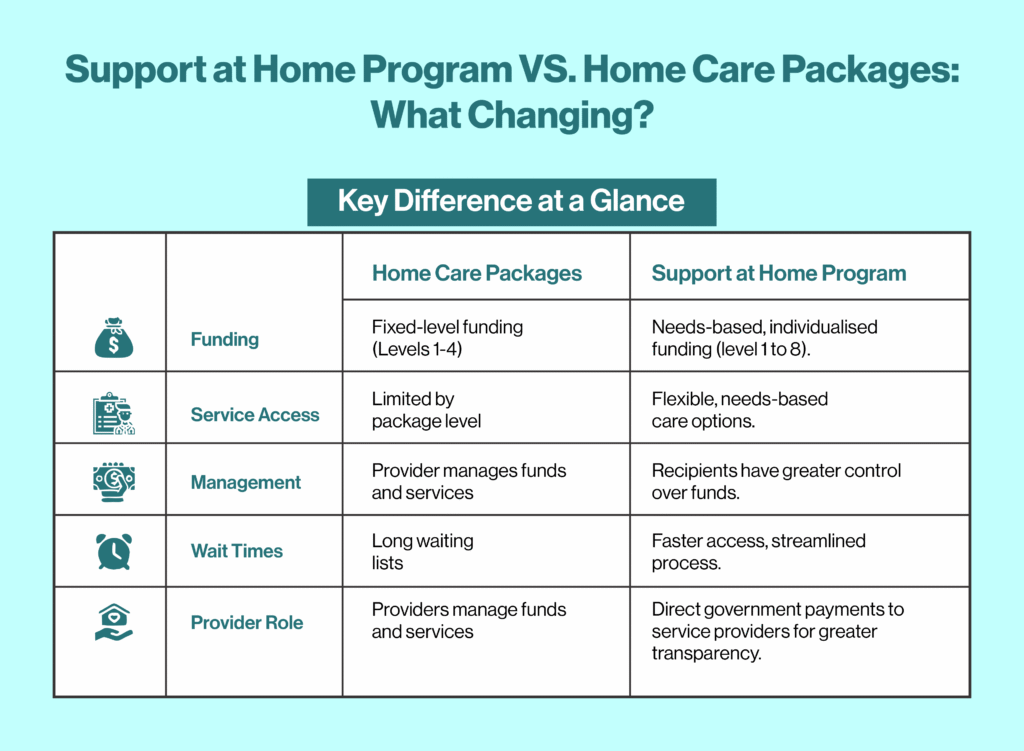
Support at Home vs Home Care Packages 2026
Many families assume they must pay privately for help when an older relative begins to struggle at home. In reality, the UK already provides several forms of support for elderly living at home UK, although access often depends on an assessment of need.
The first place to start is the local council. Adult social services can arrange a social services elderly care package after completing a care needs assessment. This care package may include help from a paid carer with daily tasks such as washing, dressing, preparing meals, medication reminders, and sometimes overnight care if the person’s needs require it. Some councils describe this as an individual support package, meaning the support plan is tailored to the person’s health, mobility, and safety needs.
For many older adults, councils also arrange free home help for the elderly UK when the help falls under short-term recovery or prevention support. One example is reablement services, which help people regain independence after illness, injury, or a hospital stay.
In addition to council services, the NHS provides several forms of NHS home care services. These can include district nurses, physiotherapy, and community health support delivered directly in the person’s home. In more complex situations, the NHS may also assess someone for continuing healthcare, which can cover the full cost of care if the person’s primary need relates to health rather than social care.
Alongside care services, many older people can access financial support for elderly living at home, including benefits such as Attendance Allowance or Personal Independence Payment. These payments help families cover additional care needs, transport, or home adjustments that support independence.
Understanding these options helps caregivers make informed decisions. The next step is understanding exactly what a care package is in health care and how families can request one when a loved one needs extra support.
What Is a Care Package in Health Care and Who Arranges It?
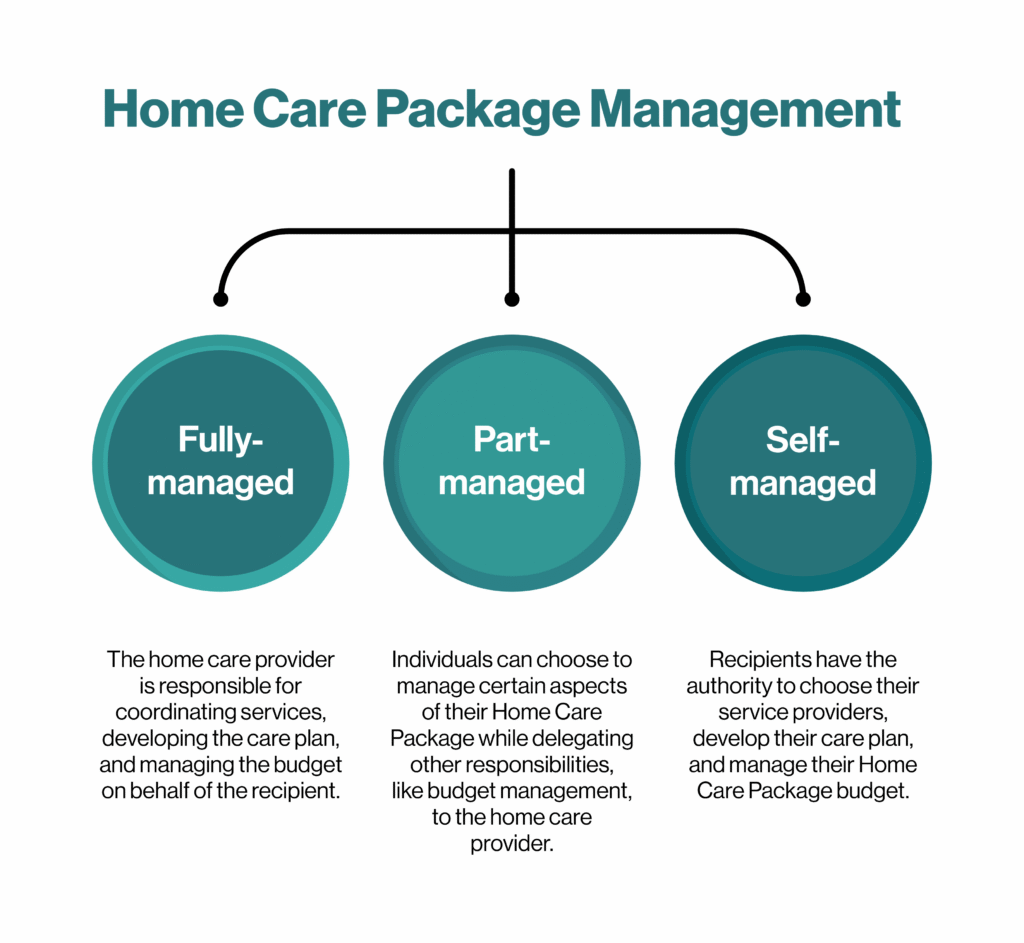
Home Care Package Management
A care package is a personalised plan of support designed to help someone manage daily life safely at home. In the UK, local councils usually arrange this support through adult social services after completing a care needs assessment.
In simple terms, what is a care package in health care? It is a structured plan that identifies what help a person needs, who will provide it, and how often support should take place. Councils often describe it as an individual support package because it reflects the person’s health, mobility, and living situation.
A typical social services elderly care package may include help with:
Washing, dressing, and personal hygiene
Preparing meals or assistance with eating
Medication reminders
Mobility support around the home
Light household tasks such as cleaning or laundry
Safety checks or welfare visits
In some cases, overnight care if the person cannot stay safely alone
A social worker or care assessor usually designs the care package after visiting the person at home and discussing their needs with them and their caregiver. The assessor looks at the person’s physical health, mental well-being, mobility, and ability to carry out everyday tasks.
If the council approves the support, the person may receive services from a home care agency, or the council may provide a personal budget so the family can arrange support themselves.
For caregivers, requesting this assessment is often the first practical step toward getting structured help at home. However, some families do not realise that short-term support can sometimes start even earlier, especially after a hospital stay.
This is where the 6 weeks free care after hospital service can play a crucial role in helping older adults regain independence before long-term care decisions are made.
6 Weeks Free Care After Hospital: What Families Should Ask For
Many caregivers do not realise that older adults may receive 6 weeks free care after hospital through a short-term recovery service known as reablement or intermediate care. This support helps people regain independence after illness, injury, or surgery so they can return to daily life safely at home.
When hospital staff believe someone needs help during recovery, they can arrange temporary home support before discharge. The service usually provides free home help for the elderly for up to six weeks while the person rebuilds strength and confidence.
During this period, professionals may provide:
Help with washing, dressing, and using the bathroom
Support with mobility and preventing falls
Assistance with meals and medication routines
Visits from nurses or therapists as part of NHS and nursing recovery support
Short-term home visits from carers who help the person practise daily tasks safely
Unlike long-term social care, this temporary support focuses on rehabilitation rather than ongoing assistance. The goal is to help the person become as independent as possible and reduce the likelihood of readmission to hospital.
Families should ask about 6 weeks free care after hospital before discharge if an older relative struggles with mobility, balance, or daily tasks. The hospital discharge team, a GP, or community health professionals can usually arrange an assessment to determine whether this support is appropriate.
If someone’s health needs remain complex even after recovery, professionals may then consider a longer-term solution such as continuing healthcare, which can fund care when medical needs become the primary concern.
When Continuing Healthcare May Cover Care Costs at Home
labour home support plan pensioner devices
Some older adults develop health needs so complex that social care support alone no longer meets their needs. In these situations, the NHS may fund care through continuing healthcare, often called continuing health care.
Continuing healthcare is a fully funded package of care arranged and paid for by the NHS when a person has a primary health need. This means their care requirements mainly relate to ongoing medical conditions rather than day-to-day support with tasks such as cooking or cleaning.
If someone qualifies, the NHS can fund a wide range of services, including:
Regular NHS home care services delivered in the person’s home
Specialist nursing support from community healthcare teams
Personal care, such as washing, dressing, and mobility assistance
Medical equipment and monitoring
In some cases, full care support for people with complex conditions, such as advanced neurological illness or severe dementia
For families supporting someone with dementia, it is important to understand that free care for dementia patients UK is not automatic. However, if the person’s condition creates significant medical needs, such as severe behavioural challenges, complex medication management, or high clinical supervision, they may qualify for continuing healthcare funding.
The assessment process usually starts with a screening checklist completed by a nurse, GP, or social worker. If the person passes this stage, a multidisciplinary team will carry out a detailed assessment of their health needs.
When approved, the NHS pays the full cost of care. This can reduce or eliminate concerns about care home fees, and it may also cover professional support delivered directly in the person’s home. For families navigating long-term illness, understanding continuing health care can make a major difference in accessing the right level of support.
What Equipment and Home Help Might Be Available for Free?
Many families are surprised to learn that councils and the NHS may provide certain equipment and home adaptations at little or no cost after a care needs assessment. These practical supports help older people remain safe and independent at home, especially when mobility or health conditions make everyday tasks more difficult.
After an occupational therapist or social care assessor visits the home, they may recommend equipment designed to reduce risk and support daily living. In some cases, families can receive items such as:
Handrails for stairs or hallways
Grab rails for bathrooms
A free shower chair for elderly people who struggle to stand safely while bathing
Raised toilet seats or toilet support frames
Walking frames or mobility aids
Small ramps for wheelchair or mobility scooter access
In some situations, families may also ask how to get a hospital bed for free UK. While hospital-style beds are not automatically provided, they may be supplied if health professionals believe the person’s medical condition requires specialist equipment at home.
These decisions usually follow a home assessment carried out by adult social services or NHS professionals. If the assessor identifies a risk to safety or independence, the council may arrange the equipment as part of the person’s care package or wider support plan.
For caregivers, these small adjustments can make a significant difference. Simple equipment can reduce falls, make personal care easier, and help older adults stay in their own homes longer, which is often the goal of care free or preventative support services aimed at delaying more intensive care.
If needs increase over time, the care plan may also expand to include more structured home support or transition planning. In some cases, families may eventually need to explore options such as supported living, temporary recovery care, or understanding convalescent home costs when someone needs a short period of supervised recovery before returning home.
If you support an older relative at home, start by identifying what help they may already qualify for. Many families miss available support simply because they do not request an assessment early enough.
First, contact your local council’s adult social services and request a care needs assessment. This assessment determines whether the person qualifies for a care package or social services elderly care package to support daily living at home.
Second, if your relative recently left hospital, ask the discharge team about 6 weeks free care after hospital. This short-term support can help someone recover safely at home before deciding whether they need long-term services.
Third, ask a GP or health professional whether the person should be assessed for continuing healthcare if their needs are primarily medical. When approved, continuing health care can cover a large portion of care costs and may reduce concerns about care home fees.
Caregivers should also check whether the person qualifies for financial support for elderly living at home, including benefits that help cover mobility support, personal care, or additional home help.
Finally, remember that government announcements such as the labour home support plan pensioner devices initiative may provide new ways for older adults to stay connected and access services online. However, practical support, including home care, equipment, and health services, still comes primarily through councils, the NHS, and community care providers.
By understanding these options early, caregivers can secure the right support sooner and help older adults remain safe, independent, and comfortable in their own homes for as long as possible.
Quick Summary: Home Support Options for Pensioners in the UK
The labour home support plan pensioner devices announcement focuses on improving digital access for older adults through a £9.5 million digital inclusion fund distributed through councils and community groups. While this may help some pensioners receive devices or smart tech, it is only one part of the wider system of support for elderly living at home UK.
Older adults in the UK may already qualify for several forms of support, including:
A social services elderly care package arranged by the local council
Free home help for the elderly UK through short-term recovery services
Up to 6 weeks free care after hospital through reablement support
NHS home care services delivered by community nurses or therapists
Fully funded care through continuing healthcare when medical needs are complex
Equipment or adaptations that improve safety and independence at home
For caregivers, the most important step is requesting a care assessment through the local council or NHS professionals. This process determines whether the person qualifies for a care package, financial assistance, or specialist health support at home.
Need Expert Guidance on Home Care and Support Services?
Care Sync Experts supports care providers, managers, and healthcare teams across the UK with clear, practical guidance on navigating home care services, care packages, and funding pathways for older adults.
From helping organisations understand care package assessments and continuing healthcare eligibility to strengthening care planning and preparing for regulatory expectations, our team helps providers deliver safe, effective support for people living at home.
Whether you need assistance reviewing care documentation, improving service quality, or aligning your organisation with modern health and social care standards, we provide structured, professional guidance you can rely on.
Support older adults to live safely and independently at home.
Pensioners in the UK can access several forms of support depending on their health, financial situation, and care needs. This can include a social services elderly care package arranged by the local council, NHS home care services, and short-term recovery support such as 6 weeks free care after hospital through reablement services.
Older adults may also qualify for financial support for elderly living at home, including Attendance Allowance or Pension Credit. In cases where medical needs become complex, the NHS may fund care through continuing healthcare, which can cover the full cost of care at home or in a care facility.
What Can You Claim When You Are a Pensioner?
Pensioners may be able to claim several benefits depending on their circumstances. Common examples include Attendance Allowance, which helps cover extra care needs, and Pension Credit, which provides additional income support for people on lower pensions.
Some people may also qualify for help with housing costs, council tax reductions, or financial support for elderly living at home if they require regular care. If health needs become severe, the NHS may assess someone for continuing healthcare, which can fund care services directly.
How Much Is the Full State Pension?
The full new State Pension in the UK depends on the number of qualifying National Insurance years a person has built up during their working life. To receive the full amount, most people need around 35 qualifying years of National Insurance contributions.
The exact weekly amount is reviewed each year under the government’s “triple lock” system, which aims to increase the pension in line with inflation, wage growth, or 2.5%, whichever is highest. Pensioners should check the latest figures through the official government pension service because payments can change each tax year.
How Much Is the State Pension Going Up in 2026?
State Pension increases depend on the triple lock policy, which adjusts pensions based on inflation, average wage growth, or a minimum increase of 2.5%. Each year the government announces the confirmed rise in the Autumn Budget or Spring Statement before the new tax year begins.
Because of this system, the exact increase for 2026 can vary depending on economic conditions. Pensioners usually see any increase applied automatically to their payments from April at the start of the new financial year.