Latest CQC Reports, Regulated Activities (2026)

Text to speech
Duration: 00:00
Font size
Published: 30 Jan, 2026
Share this on:
If you plan to start a care business in England, you must understand what CQC registration actually covers. The Care Quality Commission (CQC) regulates activities, not business names or job titles.
If your service carries on a regulated activity, you must register before you operate. Running a regulated activity without registration is a criminal offence that can lead to unlimited fines and imprisonment.
This guide explains CQC reports, what counts as a regulated activity, what does not, and how to choose the right registration from the start.
What Is CQC Registration (and what CQC actually registers)
CQC registration is not permission to run a “care business.” It is legal approval to carry on specific regulated activities.
This distinction causes more problems than almost anything else in CQC applications.
Many providers ask, “Do I need CQC registration for my business?” That is the wrong question.
The correct question is: “Am I carrying on a regulated activity?”
If the answer is yes, you must register. If the answer is no, you do not need registration, no matter what you call your service.
What the law says
CQC registration is governed by the Health and Social Care Act 2008 (Regulated Activities) Regulations 2014, also known as SI 2014/2936. These regulations define a fixed list of regulated activities that fall within CQC’s legal remit.
CQC does not invent these categories.
It enforces what the legislation already defines.
This means three important things:
- There is a finite list
There is an official list of regulated activities. If an activity is not on that list, CQC cannot require you to register for it.
- Names do not matter
Calling yourself a domiciliary care agency, supported living provider, PA service, or healthcare consultancy does not determine registration. What matters is what your staff actually do day to day.
- You may need more than one activity
Many providers must register for multiple regulated activities because their services overlap. Choosing only one when you need two is a common and costly mistake.
Your registered activities determine:
- What CQC standards apply to you
- What CQC fundamental standards inspectors assess
- What appears on your public profile and CQC reports
- How CQC inspections are scoped
- Whether commissioners, councils, and the NHS view your service as compliant
If your registration does not match your actual service delivery, CQC can treat this as non-compliance, even if the care itself is good.
That is why understanding registration at activity level is essential before you apply, recruit staff, or market services.
The List of Regulated Activities (Quick View)
Under the Health and Social Care Act 2008 (Regulated Activities) Regulations 2014, there are exactly fourteen regulated activities. No more. No less. If your service carries on any of these activities in England, you must register with the Care Quality Commission before you operate.
Below is the official list of regulated activities, explained in plain English.
- Personal care
Physical assistance with daily living tasks such as washing, dressing, toileting, eating, oral care, and care of skin, hair, and nails.
- Accommodation for persons who require nursing or personal care
Care homes where accommodation and care come as a single package, and residents cannot choose a different care provider.
- Accommodation for persons who require treatment for substance misuse
Residential services that provide accommodation alongside treatment for drug or alcohol dependence.
- Treatment of disease, disorder or injury (TDDI)
Clinical treatment provided by or under the supervision of healthcare professionals, including ongoing medical care.
- Assessment or medical treatment for persons detained under the Mental Health Act 1983
Services providing assessment or treatment for people detained under mental health legislation.
- Surgical procedures
Any service that carries out surgical interventions, from minor procedures to major operations.
- Diagnostic and screening procedures
Services that perform diagnostic tests or health screening for medical purposes.
- Management of supply of blood and blood-derived products
Blood banks, transfusion services, and related activities involving blood products.
- Transport services, triage and medical advice provided remotely
Ambulance services, patient transport, and structured clinical advice delivered by phone or digital systems.
- Maternity and midwifery services
Services related to pregnancy, childbirth, and postnatal care.
- Termination of pregnancies
Abortion services and related medical provision
- Services in slimming clinics
Clinics offering regulated weight-loss treatments, particularly where prescription medicines are involved.
- Nursing care
Nursing services provided by registered nurses where nursing is not already part of another regulated activity.
- Family planning services
Contraception, sexual health, and related family planning services.
A critical rule to remember
Each regulated activity stands on its own. There is no hierarchy. CQC will expect you to register for every regulated activity you carry on, even if they feel closely related.
However, some activities overlap. In certain cases, registering for one activity removes the need to register separately for another. We explain those overlaps next, starting with the three activities that apply to most new care businesses.
READ MORE: Harrow Council Home Care Tender 2026
The Three Regulated Activities Most New Care Businesses Need
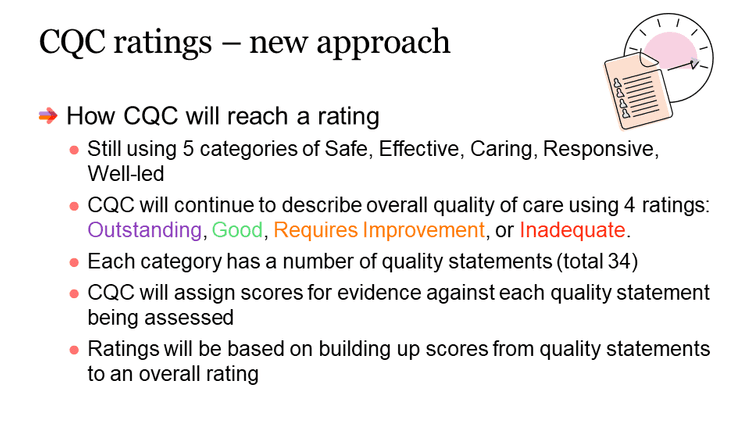
If you are starting a domiciliary care agency, supported living service, or care home, you will almost always deal with one or more of the regulated activities below. Getting these right matters because they determine how CQC inspections, CQC ratings, and ongoing compliance work in practice.
Most registration mistakes happen here.
Personal Care (the most common registration)
Personal Care is the regulated activity most new providers register for. It covers hands-on physical assistance with essential daily living tasks when a person cannot do them independently.
Personal Care includes:
- Washing or bathing
- Dressing
- Toileting (including continence support)
- Eating or drinking, including physically feeding someone
- Oral care (teeth and dentures)
- Care of skin, hair, and nails
If your staff physically help someone with any of these tasks, you are providing Personal Care, and you must register.
This activity applies to:
- Domiciliary care agencies
- Supported living services where staff deliver care into people’s homes
- Homecare services providing day-to-day support
Once registered, CQC will assess your service against the CQC fundamental standards, including safe care, dignity, consent, staffing, and governance. These standards form the backbone of every CQC inspection for Personal Care services.
Treatment of Disease, Disorder, or Injury (TDDI)
Treatment of disease, disorder, or injury, often shortened to TDDI, applies when you provide clinical or medical treatment, not general daily living support.
This regulated activity covers:
- Clinical assessment and treatment
- Managing long-term health conditions
- Wound care and complex healthcare tasks
- Palliative and end-of-life clinical care
- Treatments delivered by or under the supervision of healthcare professionals
TDDI requires clinical oversight. You cannot register for it with care assistants alone. The regulations expect involvement from registered professionals such as doctors, nurses, or allied health professionals.
A key rule many providers miss:
- If you deliver personal care as part of clinical treatment, TDDI can cover it
- If you deliver standalone personal care for daily living needs, you still need Personal Care registration
Providers offering both clinical services and everyday care often need both registrations.
Accommodation for Persons Who Require Nursing or Personal Care (Care Homes)
This regulated activity applies to care homes, not home-based services.
You fall under this activity if:
- You provide accommodation and
- You provide personal care or nursing as a single package
- Residents cannot choose a different care provider while living there
This model differs from supported living. In supported living, people live in their own homes or tenancies and receive care separately. Those providers register for Personal Care, not accommodation-based activities.
CQC uses this distinction heavily when issuing CQC ratings and publishing CQC reports, so misclassifying your service can create serious compliance problems later.
Quick decision check
Ask yourself:
- Do my staff physically help people wash, dress, toilet, or eat? → Personal Care
- Do I deliver clinical treatment under healthcare supervision? → TDDI
- Do I provide accommodation and care together as one service? → Accommodation with nursing or personal care
If more than one answer applies, you likely need multiple regulated activities on your registration.
Non-Regulated Activity: What You Can Do Without CQC Registration
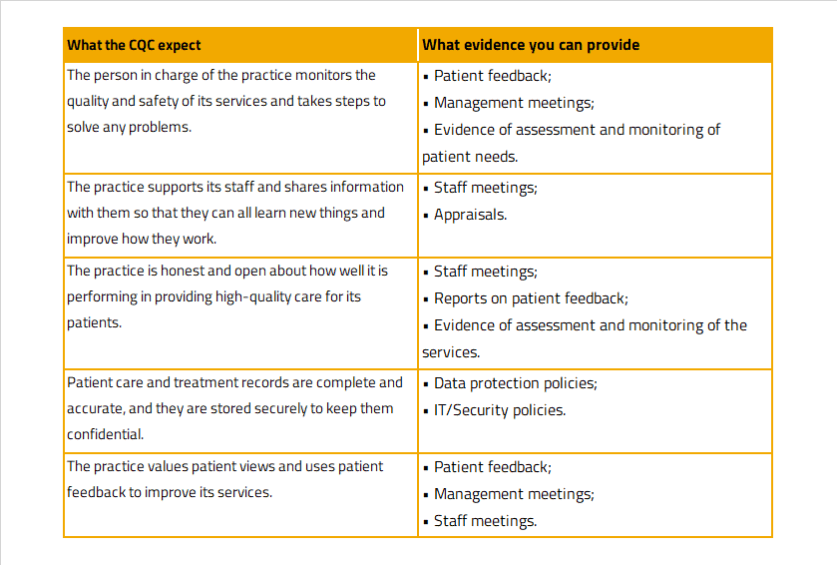
Not every service delivered to older or vulnerable people requires CQC registration. In fact, many legitimate care-adjacent services fall completely outside CQC’s regulatory scope. Understanding this boundary helps you avoid unnecessary registration, delays, and costs.
A non-regulated activity is any service that does not appear on the official list of regulated activities and does not involve physical personal care or clinical treatment.
If you only provide the services below, you do not need CQC registration.
Services that do not require CQC registration
You can legally offer the following without registering, provided you do not also deliver personal care or clinical treatment:
- Cleaning and domestic support
General housework such as vacuuming, laundry, washing dishes, and tidying.
- Shopping and errands
Grocery shopping, collecting prescriptions, posting letters, and similar tasks.
- Companionship and befriending
Social visits, conversation, sitting services, and emotional support.
- Meal preparation
Cooking and preparing food.
Important distinction: preparing food is not regulated; physically feeding someone who cannot feed themselves is Personal Care.
- Standard transport services
Taking someone to appointments, social outings, or errands using ordinary vehicles. (Medical transport services are regulated separately.)
- Medication support (without personal care)
Prompting, supervising, or administering medication on its own does not require registration. We explain this fully in the next section.
- Administrative support
Help with bills, forms, correspondence, phone calls, and paperwork.
- Household management and light maintenance
Organising the home, basic gardening, and non-specialist maintenance tasks.
- Pet care
Feeding pets, dog walking, and basic animal supervision.
Many providers register unnecessarily because they assume anything involving vulnerable people requires regulation. That is not how the law works.
CQC only regulates activities listed in legislation. If your service does not involve:
- physical assistance with washing, dressing, toileting, feeding, oral care, or skin, hair and nail care, and
- clinical treatment or healthcare intervention,
then CQC has no legal basis to require registration.
This creates genuine business opportunities for:
- companionship services
- domestic support services
- medication-only support models
- community support and wellbeing services
You still need to operate safely and professionally. You should carry appropriate insurance, carry out DBS checks, train staff properly, and follow good practice guidance. But you do not need CQC approval to start.
ALSO SEE: Starting a Care Home in the UK: Best 2026 Guide
Is Medication Administration a Regulated Activity? (The Most Common Myth)
This question causes more confusion, bad advice, and unnecessary CQC applications than almost any other topic.
So let’s answer it clearly.
Medication administration is not a standalone regulated activity.
You will not find “medication”, “medicines management”, or “administering drugs” listed anywhere in the list of regulated activities under the Health and Social Care Act 2008 (Regulated Activities) Regulations 2014.
If you only support people with medication, you do not automatically need CQC registration.
Why people get this wrong
CQC publishes extensive guidance on medicines management. Inspectors routinely review medication records, storage, and errors during a CQC inspection. Because of this, many providers assume medication must require registration.
That assumption is wrong.
CQC regulates medication only when it sits alongside another regulated activity, most commonly Personal Care.
Medication on its own (not regulated)
You do not need CQC registration if you only provide medication support and no personal care.
This includes:
- Prompting someone to take their medication
- Supervising medication intake
- Administering medication
- Collecting prescriptions
- Organising pill boxes or MAR charts
As long as you do not physically assist with washing, dressing, toileting, feeding, oral care, or skin, hair, and nail care, CQC does not require registration.
This position comes directly from CQC’s Personal Care guidance.
Medication as an ancillary activity (regulated)
Medication becomes regulated when it is ancillary to a regulated activity.
In plain English, that means:
If you provide Personal Care, and medication support forms part of that overall care package, CQC will regulate your medication practices under your Personal Care registration.
For example:
- A domiciliary care agency helps someone wash, dress, and take their medication
→ Personal Care applies, and medication is regulated as part of it.
- A supported living provider delivers hands-on daily care and manages medicines
→ CQC regulates both through Personal Care.
CQC uses the term ancillary to describe activities that sit alongside regulated care. Medication fits into this category.
Two scenarios that make the rule clear
Scenario A: Medication-only service
You visit clients, prompt or administer medication, collect prescriptions, and organise medicines.
You provide no personal care.
→ No CQC registration required.
Scenario B: Medication plus personal care
You help clients wash, dress, or eat and also manage their medication.
→ Personal Care registration required, and medication falls under CQC regulation.
The activity that triggers registration is personal care, not medication.
A safety note (important)
Even when CQC registration is not required, you still carry professional responsibility.
You should:
- Train staff properly
- Keep accurate records
- Follow NICE guidance on medicines management
- Hold appropriate insurance
Operating outside CQC regulation does not remove your duty of care. It simply means CQC does not license or inspect that service.
This distinction alone saves many providers thousands of pounds and months of unnecessary delay.
LEARN MORE: Care Policies and Procedures: How to Implement Them Correctly in 2026
How Regulated Activities Overlap (and how to avoid registering twice)
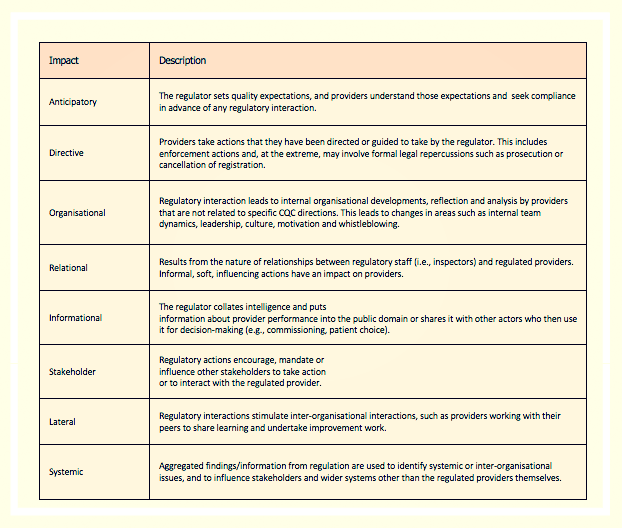
One of the easiest ways to get CQC registration wrong is to assume that each activity always requires a separate registration. That is not always true.
CQC applies clear overlap rules. If you understand them, you can avoid unnecessary applications and avoid operating outside your registration later.
There is no hierarchy, but overlap exists
CQC treats all regulated activities as legally equal. None outranks another. However, some activities absorb others when they are delivered together.
This is where many providers get confused.
The rule is simple: If personal care or nursing care is delivered as part of another regulated activity, you may not need to register for it separately.
When you do not need to register twice
You do not need separate registration for Personal Care when it is delivered as part of:
- Accommodation for persons who require nursing or personal care
- Accommodation for persons who require treatment for substance misuse
- Treatment of disease, disorder, or injury (TDDI)
For example:
- A care home provides accommodation and personal care together
→ Register for accommodation with care, not Personal Care separately.
- A clinical service provides treatment and assists with washing as part of that treatment
→ TDDI covers the personal care element.
In these cases, CQC inspects the care under the primary regulated activity and applies the relevant CQC standards and CQC fundamental standards through that registration.
When you must register for more than one activity
You must register for multiple regulated activities when care is delivered in different contexts.
A common example:
- You operate a care home (accommodation with care)
- You also provide domiciliary care to people in their own homes
In this situation:
- The care home falls under Accommodation for persons who require nursing or personal care
- The domiciliary service involves standalone personal care
→ You must register for both activities.
CQC treats these as separate services, even if the same organisation runs them.
CQC bases its inspection scope, CQC reports, and CQC ratings on your registered activities.
If your registration does not reflect what you actually deliver:
- Inspectors may identify you as operating outside registration
- Commissioners may question your governance
- You may face enforcement action even if care quality is good
Registration is not a paperwork exercise. It defines what CQC can legally assess and regulate.
SEE: CQC Registration for Domiciliary Care Providers: Complete 2026 Guide
Partnerships, Sole Traders, and the Personal Assistant (PA) Exemption
Business structure causes huge confusion around CQC registration. Many people assume that being small, working alone, or operating as a partnership changes the rules. It does not.
CQC looks at what you do and who controls the care, not how you label your business.
1. CQC partnership registration (what it actually means)
CQC partnership registration applies when two or more people jointly carry on a regulated activity and share responsibility for how care is delivered.
This is common where:
- Two individuals run a care service together
- Partners jointly manage staff, clients, and care decisions
- Both partners have control over how regulated activities are carried out
In this situation, CQC expects the partnership itself to register. Each partner remains legally responsible for compliance.
What matters is shared control and responsibility, not whether you have a formal partnership agreement on paper.
2. The Personal Assistant exemption (where registration is not required)
The PA exemption is one of the most important exceptions to CQC regulation, but it is also one of the most misunderstood.
A Personal Assistant does not need CQC registration if all of the following apply:
- The PA works directly for an individual receiving care (or a related third party, such as a family member)
- There is no agency or organisation managing or directing the care
- The individual receiving care controls what care is provided, when, and how
- The PA works within a personal employment relationship, not as a care service
Under this exemption, a PA can legally provide all aspects of personal care, including washing, dressing, toileting, and feeding, without CQC registration.
This exemption exists because CQC regulates services, not private employment arrangements.
3. Where the PA exemption breaks down
The exemption stops applying when the arrangement starts to look like a care service rather than personal employment.
Registration is likely required if:
- You operate through a company rather than being employed by the individual
- You introduce or manage other carers
- You arrange your own cover for sickness or holidays
- You market services to the public and take on multiple clients
- An agency directs, schedules, or supervises the care
Calling yourself a PA does not create an exemption. The reality of the working arrangement matters more than the label.
4. Sole traders: the most common myth
Being a sole trader does not exempt you from CQC registration.
If you:
- Advertise care services
- Take on clients as a business
- Provide personal care or clinical treatment
Then you are carrying on a regulated activity, even if you work alone.
The key difference is this:
- A PA works for an individual
- A sole trader runs a service for clients
Only the first scenario benefits from the exemption.
Understanding this boundary helps you avoid accidental non-compliance and protects you from enforcement action later.
What Happens After Registration: Inspections, Ratings, Reports, Notifications, and Complaints
Once CQC grants your registration, regulation does not stop. In reality, it starts. Your registered activities define how CQC monitors your service, what inspectors assess, and what information becomes public.
This is where many providers feel the real impact of regulation on their business.
1. CQC inspection: how CQC assesses your service
CQC carries out inspections to check whether you meet legal requirements and deliver safe care. Inspectors assess your service against the CQC fundamental standards, using the Single Assessment Framework.
During a CQC inspection, inspectors look at:
- How safely and effectively you deliver care
- Whether people receive person-centred support
- How you manage risk, staffing, and governance
- Whether leadership understands and controls the service
The scope of the inspection depends entirely on your registered activities. If your registration is wrong or incomplete, inspectors may find you operating outside registration even if the care itself appears acceptable.
2. CQC ratings: why they matter commercially
After inspection, CQC publishes CQC ratings for most services: Outstanding, Good, Requires Improvement, or Inadequate.
These ratings affect far more than reputation.
Commissioners, local authorities, and the NHS use ratings when:
- Awarding contracts
- Renewing placements
- Assessing governance risk
A poor rating can limit growth. A strong rating can open doors. This is why choosing the right regulated activities from the start directly affects long-term outcomes.
3. CQC reports: what the public sees
CQC publishes detailed CQC reports on its website after inspections. These reports describe:
- What inspectors observed
- Areas of good practice
- Breaches of regulations
- Required and recommended improvements
Prospective clients, families, commissioners, and partners regularly read these reports. They often carry more weight than marketing material.
Your report reflects not just care quality, but also whether your service operates within its registered scope.
4. CQC notifications: your legal duty as a provider
Registered providers must submit CQC notifications when certain events occur. These include serious incidents such as deaths, safeguarding concerns, serious injuries, and other notifiable events defined in regulations.
Submitting a CQC notification is not optional. It is a legal requirement.
Failing to notify CQC correctly can:
- Trigger enforcement action
- Appear in inspection findings
- Damage your credibility with inspectors
Strong providers build notification processes into daily operations so nothing gets missed.
5. CQC complaints: how concerns reach inspectors
Members of the public can raise concerns directly with CQC through CQC complaints processes. CQC does not investigate every complaint, but it uses this information to assess risk.
Inspectors may:
- Use complaints to prioritise inspections
- Review complaint handling during inspections
- Compare complaints data with internal records
CQC expects providers to manage complaints properly, learn from them, and show improvement. Poor complaint handling often signals wider governance problems.
Registration determines:
- What CQC inspects
- What appears in public reports
- How complaints and notifications are interpreted
- How commissioners assess your service
Understanding this lifecycle helps you treat registration as a business-critical decision, not an administrative task.
Official CQC Resources and Where to Go Next
When you need to verify requirements, submit applications, or check guidance, always rely on official CQC sources. They reflect current law and inspection practice.
Key official resources
- Registration & guidance: Start with the registration and scope guidance from the Care Quality Commission to confirm which activities apply to your service.
- Provider Portal: Use the cqc portal login to submit applications, manage registrations, and update details.
- Notifications guidance: Follow the statutory guidance on cqc notifications so you know exactly what events require reporting and how to submit them correctly.
- Inspection outcomes: Read published cqc reports to understand how inspectors apply standards in practice and how ratings are justified.
Contact and careers
- General enquiries: If you need to speak to CQC, use the official cqc contact number or cqc telephone number listed on their website.
- Working with CQC: If you’re interested in regulatory careers, explore cqc careers, including cqc inspector jobs, to see how inspections work from the inside.
Conclusion
CQC registration stands on one core principle: CQC regulates activities, not labels. The law lists fourteen regulated activities. If your service carries on any of them, you must register before you operate. If it does not, registration is not required.
Understanding this boundary helps you:
- Choose the correct activities on your application
- Avoid unnecessary registration or costly delays
- Stay aligned with inspection scope and expectations
- Protect your business from enforcement action
The most common errors come from misunderstanding Personal Care, assuming medication requires registration on its own, or believing that business structure creates exemptions. None of those assumptions hold up under the regulations.
If you want certainty before you apply, or if you need to correct an existing registration, professional support can save time, money, and risk. Getting registration right from day one sets the foundation for strong inspections, credible CQC ratings, and long-term growth.
Need clarity on CQC regulated activities and compliance in 2026?
Many care providers only realise something is wrong after CQC registration delays, inspection findings, or enforcement action has already started. In most cases, the issue is not poor care, but unclear understanding of regulated activities, weak alignment between services and registration, or systems that look compliant on paper but fail under inspection.
Care Sync Experts works with care providers across England, Wales, and Northern Ireland to help them understand how regulators actually interpret and assess services in practice, not just how guidance is written.
Support typically includes:
- Clear, practical explanations of which regulated activities apply to your service and why
- Independent review of whether your current or planned services sit inside or outside CQC scope
- Support preparing for CQC registration, variations, inspections, or enforcement reviews
- Guidance on aligning governance, evidence, and real-world practice with inspection expectations
- Insight into how CQC outcomes affect tenders, contracts, funding, and long-term growth
Book a free initial consultation
If you are unsure whether your service genuinely needs registration, whether your registered activities still reflect what you deliver, or whether your CQC position could limit inspections, contracts, or expansion, a short conversation now can prevent expensive and stressful problems later.
FAQ
What is the main aim of the CQC?
The main aim of the Care Quality Commission (CQC) is to protect people who use health and social care services.
CQC does this by:
– Making sure care services meet legal minimum standards
– Monitoring whether care is safe, effective, caring, responsive, and well-led
Taking action when services put people at risk
CQC is not designed to help providers grow or succeed commercially. Its role is to hold providers to account and intervene when care falls below acceptable standards.
Everything else it does, including inspections, ratings, and enforcement, flows from this core purpose.
Is CQC part of NHS England UK?
No. CQC is not part of NHS England.
CQC is an independent regulator. It sits outside the NHS and outside care providers. This independence is intentional, so CQC can regulate both NHS services and non-NHS services objectively.
In practice:
– NHS hospitals and community services are regulated by CQC
– Private hospitals, GP practices, care homes, and domiciliary care agencies are also regulated by CQC
– NHS England commissions and oversees NHS delivery, but CQC inspects and regulates quality
This separation ensures CQC can inspect NHS services without conflicts of interest.
Does CQC regulate local authorities?
CQC does not regulate local authorities in the same way it regulates care providers, but it does still oversee them in specific contexts.
Here’s the distinction:
CQC does regulate: Care services run by local authorities (for example, council-run care homes or reablement services)
CQC does not regulate: Local authorities as commissioners of care
Council decision-making, funding allocation, or procurement activity
However, CQC does carry out thematic reviews and assessments of how local authorities discharge their duties under adult social care legislation, particularly around safeguarding and system-wide performance. These are not inspections in the same sense as provider inspections.
What are CQC’s powers?
CQC has statutory enforcement powers set out in law. These powers allow it to act when providers breach regulations or put people at risk.
CQC can:
– Inspect services (announced or unannounced)
– Issue requirement notices and warning notices
– Impose conditions on registration
– Suspend or cancel registration
– Prosecute providers for serious breaches
– Issue fixed penalty notices for certain offences
CQC’s most serious power is prosecution. Providing a regulated activity without registration, or breaching fundamental standards that cause harm, can lead to criminal proceedings, unlimited fines, and, in some case,s imprisonment.
CQC does not need to prove intent. If harm occurs or legal requirements are not met, enforcement can follow.
Related reading
- How to Apply for CQC Registration in 2026: Forms, Evidence and Assessment
- CQC Personal Care Form: 7 Essential Application Checks
- Service User Feedback in Health and Social Care: How to Build Better CQC Evidence
- CQC Application Stages: What Happens After You Submit?
- CQC First Assessment: Essential 2026 Guide for Unrated Care Providers
- CQC Regulation 9A After the 2026 Review: A Practical Visiting Policy Guide for Care Home Providers
Browse every article on CQC, Ofsted, CIW and RQIA compliance