What Is Respite Care in the UK? 2026

Text to speech
Duration: 00:00
Font size
Published: 27 Feb, 2026
Share this on:
Respite care is short-term support that allows an unpaid carer to take a planned break while a trained care worker continues to support the person receiving care. It can last a few hours, a weekend, or several weeks. Services may take place at home, in an adult day service, or in a residential setting.
When people ask what is respite care for elderly adults, they usually mean temporary support for an older person so their main carer can rest, attend appointments, or travel. Respite care also supports adults with disabilities and children with additional needs.
In the UK, local authorities, regulated providers, and approved agencies deliver respite care under the Care Act framework. It focuses on safety, continuity, and protecting the wellbeing of both the carer and the service user.

Why Carers Need Respite Care
Caring for someone every day takes physical energy, emotional strength, and constant attention. Many carers manage medication, personal care, appointments, meal preparation, and supervision without regular breaks. Over time, this level of responsibility affects sleep, mental health, and overall wellbeing.
UK law recognises that carers have rights. Under the Care Act 2014, local authorities must assess a carer’s needs and consider their wellbeing. This reflects the wider duty of care meaning, not only towards the person receiving support, but also towards the person providing it. When a carer becomes exhausted or unwell, the quality of care often declines.
Respite care protects both people. It allows the carer to rest, recover, and return with patience and focus. Even occasional short breaks can reduce stress, prevent burnout, and support sustainable, long-term care at home.
READ MORE: CHC Funding: A Caregiver’s Step-by-Step Guide (2026)
What Is Respite Care at Home?
What is respite care at home? It is temporary support delivered in the person’s own home while the main carer takes time off. A trained care assistant or healthcare assistant steps in to provide practical help and supervision for an agreed number of hours or days.
At-home respite often includes:
- Personal care such as washing, dressing, and toileting
- Medication prompts or administration (where trained)
- Meal preparation and light household tasks
- Companionship and supervision
Many providers recruit staff through health care assistant jobs and care assistant jobs, ensuring workers hold the right training and DBS checks. Unlike hospital care, respite at home keeps routines stable and allows the service user to remain in familiar surroundings.
Families often choose this option when they want flexibility without moving into an assisted care facility or residential setting.
What Is Respite Care for Elderly Adults?
What is respite care for elderly adults? It is short-term support arranged when an older person needs supervision or assistance while their carer takes a break. Families often use it when caring for someone with dementia, reduced mobility, frailty, or long-term illness.
Respite for older adults may take place:
- At home with a care worker
- In a residential care home for a short stay
- Within assisted living or supported living services that offer temporary placements
Unlike permanent admission, respite care remains time-limited. It gives the carer space to rest while maintaining continuity for the older person. Many families first explore respite before considering long-term residential care. It allows them to test an environment, build confidence, and make informed decisions about future support needs.
What Is Respite Care for a Child or Child With Disabilities?
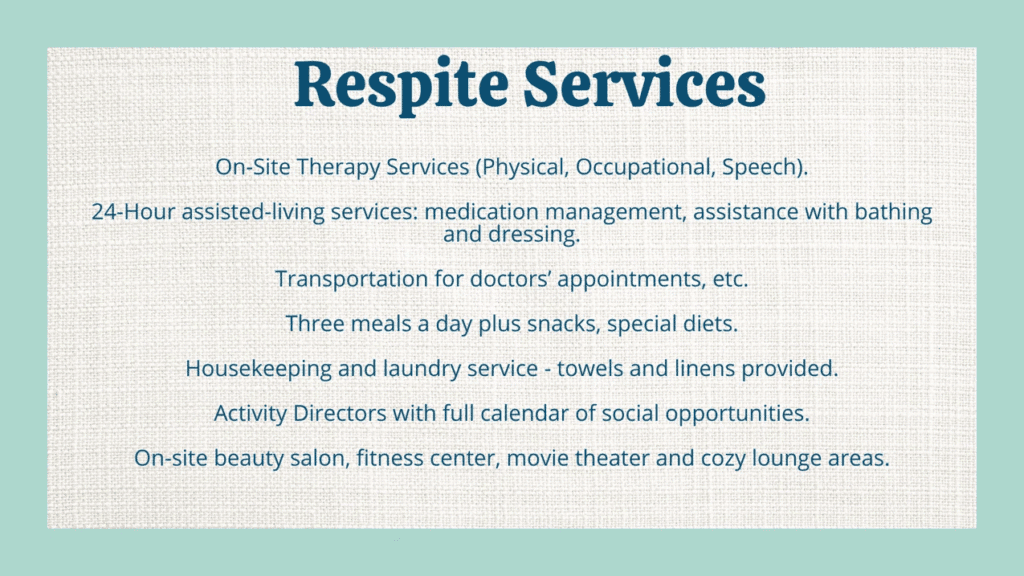
What is respite care for a child? It is planned short-term support that allows parents or guardians to rest while trained professionals care for the child safely. Families often use respite when caring for a child with complex medical needs, autism, learning disabilities, or behavioural challenges.
When people ask what is respite care for a child with disabilities, they usually mean structured short breaks arranged through the local authority or specialist providers. These services may include:
- In-home support from a trained care worker
- Day programmes offering supervised activities
- Overnight stays with approved providers
- Access to specialist social and rehabilitation services
Families involved in fostering may also ask what is respite care in foster care. In this setting, respite allows foster carers to take temporary breaks while another approved foster carer looks after the child.
Short breaks support family stability, reduce stress, and protect long-term placement arrangements.
Respite Care Examples
Families use respite care in many practical ways. These respite care examples show how flexible it can be:
- A care worker visits for three hours so a carer can attend a medical appointment.
- An older person stays in a residential care home for one weekend while their carer travels.
- A child with additional needs attends a supervised day programme during school holidays.
- A person recovering from illness receives short-term home support before returning to full independence.
- A foster carer arranges an approved short-break placement to prevent placement breakdown.
Each arrangement stays time-limited. The goal remains the same: protect the wellbeing of the carer while maintaining safe, consistent support for the person receiving care.
Who Pays for Respite Care in the UK?
Who pays for respite care? In the UK, funding depends on the person’s financial situation and care needs.
Local authorities may cover some or all costs after completing a care needs assessment and a financial assessment. If the person qualifies under the Care Act, the council may arrange respite directly or provide direct payments so families can organise support themselves.
The NHS may fund respite through NHS Continuing Healthcare where complex medical needs meet eligibility criteria. Some families choose to self-fund, especially when arranging short stays in an assisted care facility or booking temporary placements in local care homes near me through private providers.
Costs vary by setting. In-home respite usually charges by the hour. Residential respite typically charges a daily rate. Before arranging support, families should request an assessment to understand what funding options apply to their situation.
How Much Does Respite Care Cost?
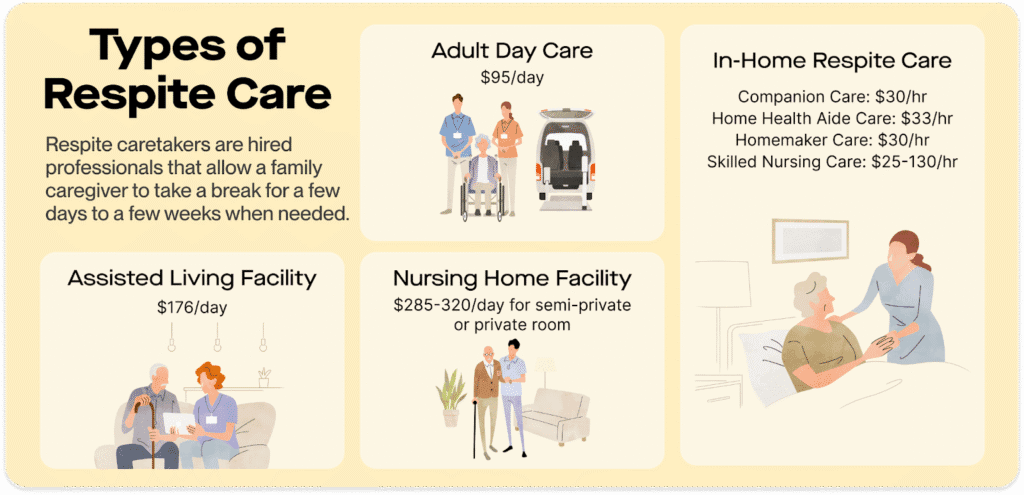
Respite care costs vary depending on the setting, location, and level of support required.
In the UK:
- In-home respite care often costs between £20–£35 per hour, depending on complexity and region.
- Overnight residential respite in a care home may range from £800–£1,500 per week.
- Specialist or nursing support increases costs.
Prices differ across providers and local authorities. Families who search for services such as “care homes near me” or short-stay placements should always confirm whether the rate includes personal care, meals, supervision, and medication support.
A financial assessment through the local council helps determine whether the person qualifies for funding support or must self-fund.
How to Arrange Respite Care Near You
Start by requesting a care needs assessment from your local authority. The council will assess both the person receiving care and the carer. If eligible, they may arrange services directly or provide funding through direct payments.
If you plan to organise support privately, search for respite care near me and check whether the provider is regulated by the CQC (in England) or the relevant regulator in your nation. Compare:
- Inspection ratings
- Staff training and supervision
- Experience with dementia, disability, or complex needs
- Clear pricing structures
Some families approach larger providers or national care corporations, while others choose local agencies for flexibility. Residential providers may also advertise career opportunities, such as Barchester healthcare jobs or Barchester jobs, which can signal staffing scale and capacity.
Always confirm availability, duration limits, and cancellation terms before booking.
Can Respite Care Create Job Opportunities?
Respite services also create employment across the care sector. Providers recruit care assistants, healthcare assistants, and support workers to deliver short-term cover in homes and residential settings.
People searching for care assistant jobs near me, healthcare assistant jobs, or support worker jobs near me often find opportunities within respite services. Some roles focus on short visits in the community, while others involve overnight residential placements or even live in care jobs for extended short breaks.
These roles form part of the wider market for care jobs, including permanent care assistant positions and specialist healthcare caregiver jobs within regulated services. Respite care strengthens the workforce by creating flexible roles that support both families and the wider health and social care system.
Final Thoughts…
Respite care is not a luxury. It is a practical safeguard. When carers rest, everyone benefits. The person receiving support experiences safer, more consistent care. Families make clearer decisions. Stress reduces. Long-term placements become less likely.
Many carers delay arranging respite because they feel guilty or unsure where to start. But asking for structured support reflects responsibility, not weakness. The UK care system recognises that carers need protection too.
If you feel uncertain about eligibility, funding routes, assessments, or provider standards, do not navigate it alone.
Care Sync Experts supports families and care providers across the UK with clear guidance on respite arrangements, funding pathways, regulatory standards, and compliance requirements. Whether you need help understanding your rights under the Care Act, preparing for a local authority assessment, or exploring regulated respite options, our team provides practical, professional support.
Take the first step toward sustainable care. Contact Care Sync Experts today and let us help you arrange respite care with clarity and confidence.
FAQ
What happens in respite care?
During respite care, a trained care worker temporarily takes over daily support duties so the main carer can rest. The level of support depends on the person’s needs. It may include personal care, medication support, meal preparation, supervision, mobility assistance, or structured activities.
If respite takes place in a residential setting, staff provide 24-hour supervision, meals, and routine support. If it happens at home, a care assistant follows the person’s usual care plan to maintain stability and comfort.
The aim remains consistent: maintain safe, continuous care while protecting the carer’s wellbeing.
How long can someone stay in respite?
Respite care stays are usually short term. They may last:
– A few hours
– A full day
– A weekend
– One to two weeks
Some local authorities set limits based on funding agreements or care plans. Residential respite often runs for one to two weeks at a time, though arrangements vary. The length depends on the purpose of the break, available funding, and provider capacity.
Respite does not replace long-term care. It supports temporary relief.
What are the signs someone needs respite?
Carers often delay seeking help. However, clear warning signs suggest respite may be necessary:
– Persistent exhaustion or sleep problems
– Increased stress or irritability
– Declining physical health
– Missed medical appointments
Feeling overwhelmed or emotionally withdrawn
When a carer struggles, the quality of care may decline unintentionally. Arranging respite early prevents burnout and protects both people involved.
Is respite care end of life?
No. Respite care is not automatically end-of-life care.
Families use respite at many stages, early in a diagnosis, during long-term disability support, or when a carer needs temporary relief. However, hospice services sometimes offer short respite stays for families caring for someone with a life-limiting condition.
Respite focuses on short-term relief. End-of-life care focuses on comfort and symptom management. The two may overlap, but they serve different purposes.
Related reading
- CQC Registration: Complete Guide for Domiciliary Care Providers
- CQC Personal Care Form: 7 Essential Application Checks
- Domiciliary Care Business Continuity Plan: A Practical 2026 Guide
- Adult Social Care Winter Planning 2026/27: 9 Actions Before September
- Care Staff Supervision Records: What Registered Managers Should Document in 2026
- Adult Social Care Fair Pay Agreement: What Care Providers Should Prepare for Before 2028
Browse every article on CQC, Ofsted, CIW and RQIA compliance