Where Care Excellence Meets Business Success. Transform your operations today - 0333 577 0877
We are here to help 24/7.



What is the Work Capability Assessment? 2026 Update for Care Businesses
Text to speech
Duration: 00:00
Font size
Published: 20 Apr, 2026
Share this on:
The work capability assessment is a UK government evaluation used by the Department for Work and Pensions (DWP) to determine how a health condition or disability affects a person’s ability to work when claiming Universal Credit or Employment and Support Allowance (ESA).
It uses a capabilities based assessment and a structured points system to measure what a claimant can and cannot do in daily life.
The assessment reviews both physical and mental functions, such as mobility, communication, and decision-making, and assigns work capability assessment points based on specific limitations. These points determine whether a person is:
- fit for work
- has limited work capability (LCW)
- or has limited capability for work and work-related activity (LCWRA)
Each outcome directly affects the level of support, work expectations, and potential payments a claimant receives.
For caregivers and care providers, understanding the work capability assessment is essential. It shapes how clients access financial support, influences care planning, and determines whether individuals need to actively look for work or can focus fully on managing their health.

Key Takeaways
- The work capability assessment decides how a health condition affects a person’s ability to work and what support they receive.
- Claimants must complete a UC50 form (also called UC50) to explain how their condition impacts daily activities.
- The DWP uses a points-based system to assess physical and mental capabilities.
- Outcomes include fit for work, limited capability for work (LCW), or limited capability for work and work-related activity (LCWRA).
- Limited capability for work payments, and LCWRA payment amounts depend on the final decision.
- Providing strong medical evidence alongside the UC50 form increases the chances of a fair and accurate assessment.
Why the Work Capability Assessment Matters for Caregivers
The work capability assessment directly affects how caregivers support clients in real-life situations. It determines whether a client must look for work, prepare for work, or focus fully on their health, so it shapes both care planning and daily support.
Care providers often help clients complete the UC50 form, gather medical evidence, and explain how their condition limits their ability to function. A well-prepared submission can influence the outcome of a DWP Universal Credit payments review, which ultimately decides the level of financial support a client receives.
The difference between limited capability for work and limited capability for work and work-related activity also changes how caregivers approach support:
- Clients with LCW may still need help preparing for work-related activities
- Clients with LCWRA often require more intensive, ongoing care with no work expectations
For care businesses, understanding this process helps you:
- Plan accurate care packages
- Support clients through assessments confidently
- Reduce stress for vulnerable individuals during the process
When caregivers understand how the system works, they can advocate better, document needs clearly, and help clients secure the right level of support without unnecessary delays.
RELATED: What is a Discretionary Housing Payment? 2026 Update for Care Business
How the Work Capability Assessment Works
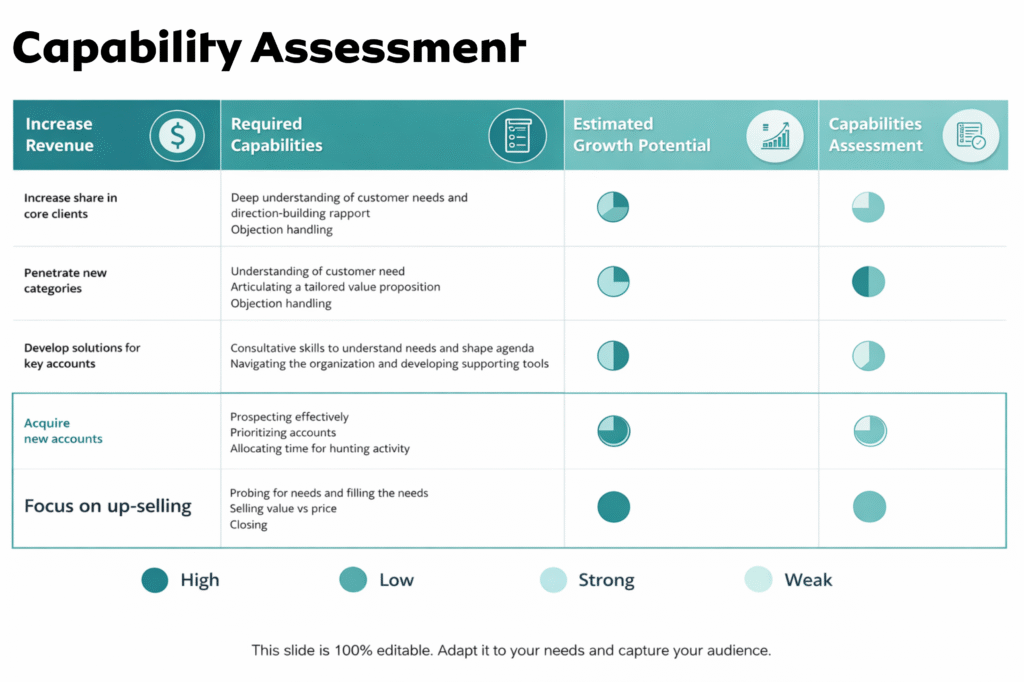
The work capability assessment follows a clear step-by-step process. Caregivers who understand each stage can better support clients and improve the chances of a fair outcome.
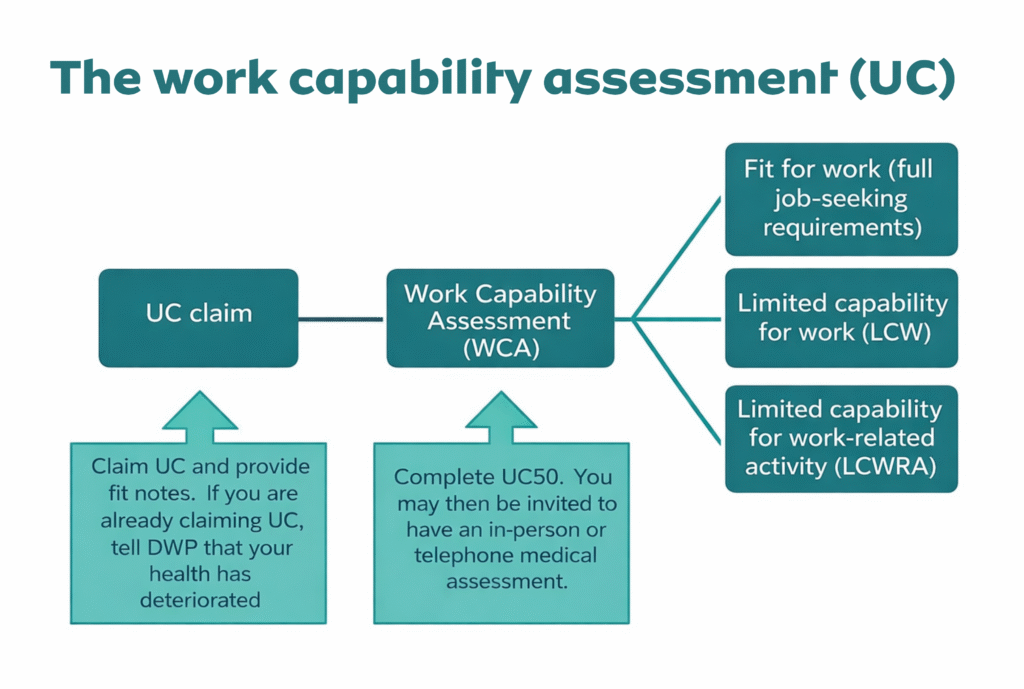
1. Complete the UC50 Form
The process starts when the claimant fills out the UC50 form (also known as uc50). This form asks detailed questions about how a health condition affects daily activities like walking, concentrating, or interacting with others. Caregivers often play a key role here by helping clients explain their limitations clearly and consistently.
2. Submit Medical Evidence
The claimant must provide supporting evidence such as GP letters, specialist reports, medication lists, or care plans. Strong evidence helps the DWP understand the real impact of the condition beyond the form.
3. Assessment by a Healthcare Professional
If the DWP needs more information, they arrange an assessment through the universal testing service. This can happen:
- over the phone
- by video
- or face-to-face
The assessor reviews the UC50 and asks questions about daily life, focusing on what the claimant can do reliably and repeatedly.
4. Points-Based Evaluation
The assessor applies the work capability assessment points system. Each activity has descriptors with scores based on difficulty. The DWP uses these points to measure the claimant’s limited work capability.
5. Final Decision by the DWP
A DWP decision-maker reviews the report and assigns an outcome:
- fit for work
- limited capability for work (LCW)
- limited capability for work and work-related activity (LCWRA)
This decision determines both work expectations and financial support.
For caregivers, guiding clients through each step, especially the UC50 form and evidence stage, can significantly improve accuracy and reduce the risk of incorrect decisions.
READ MORE: Earned Income Disallowance: Benefits & Allowances (2026 Guide)
How Work Capability Assessment Points Decide Your Outcome
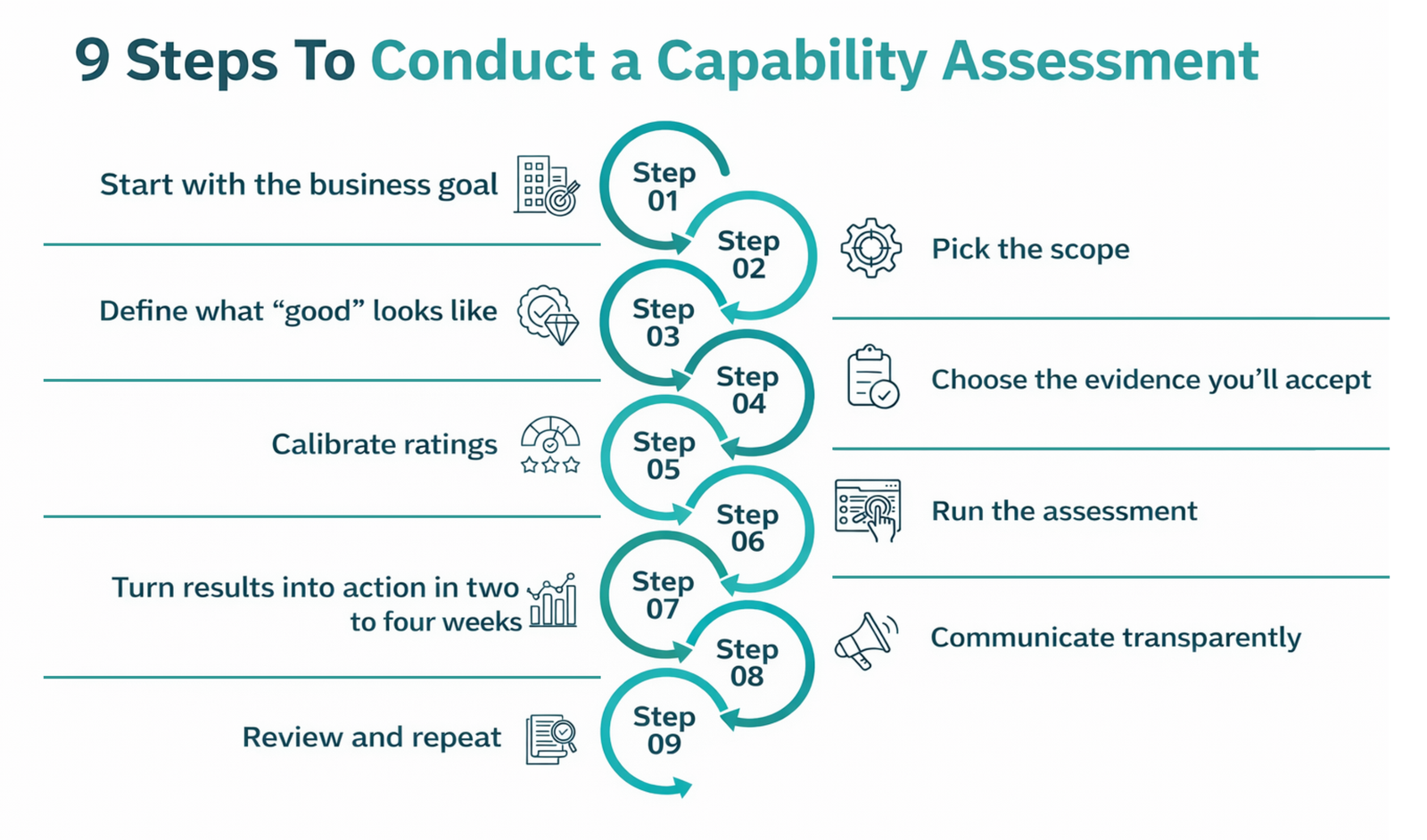
The work capability assessment points system determines whether a claimant has limited work capability and what level of support they receive. The DWP uses this system to measure how a condition affects a person’s ability to perform everyday tasks reliably and safely.
Each activity, such as walking, standing, communicating, or concentrating, has a set of descriptors. Every descriptor carries a score based on the level of difficulty. The more severe the limitation, the higher the points awarded.
How the scoring works:
- Each activity is assessed separately
- The highest scoring descriptor for each activity is selected
- Points from all relevant activities are added together
Key threshold:
- 15 points or more → qualifies as limited capability for work (LCW)
- Less than 15 points → usually considered fit for work (unless exceptional circumstances apply)
To qualify for limited capability for work and work-related activity (LCWRA), a claimant must meet specific descriptors that show they cannot safely engage in any work-related activity. In some cases, meeting just one severe descriptor is enough.
For caregivers, this system highlights an important reality: It is not about the diagnosis, it is about how the condition affects daily function.
That is why detailed explanations in the UC50 form and strong medical evidence are critical. When caregivers clearly document how a client struggles with tasks repeatedly, safely, and within a reasonable time, they help ensure the points awarded reflect the client’s true level of need.
Work Capability Assessment Outcomes Explained
The work capability assessment leads to one of three outcomes. Each outcome determines what a claimant must do and how much financial support they receive.
Fit for Work
A claimant is considered fit for work if they do not score enough work capability assessment points and do not meet any exceptional criteria.
- The claimant must actively look for work
- No additional health-related payments are included
- Standard Universal Credit applies
Caregivers should focus on helping clients manage work expectations while still supporting their health needs.
Limited Capability for Work (LCW)
A claimant has limited capability for work if they score at least 15 points but can still prepare for work in the future.
- The claimant does not need to look for work immediately
- They may need to attend training or work-related activities
- Limited capability for work payments may apply depending on circumstances
Caregivers often support clients with gradual preparation, such as attending appointments or building confidence for future work.
Limited Capability for Work-Related Activity (LCWRA)
A claimant qualifies for limited capability for work and work-related activity when their condition severely limits their ability to work or prepare for work.
- No requirement to look for work or attend work-related activities
- Eligible for an additional LCWRA payment on top of standard Universal Credit
- Often linked to more serious or long-term conditions
This outcome usually requires more intensive caregiving support, as clients may depend fully on care services and financial assistance.
SEE ALSO: NVQ Level 3 Health and Social Care: Requirements, Jobs, Salary, How to Get It in 2026
How Much Is LCWRA and When Do You Get Paid?
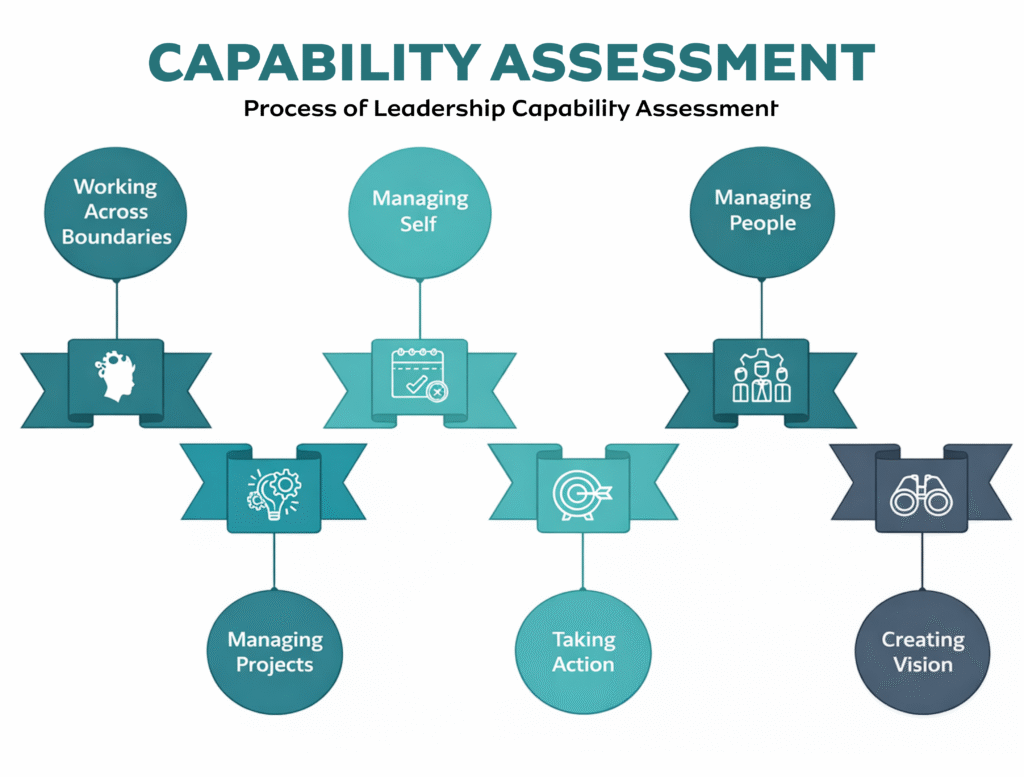
The amount a claimant receives after a work capability assessment depends on whether they qualify for limited capability for work and work-related activity (LCWRA) and when their claim is approved.
How much is LCWRA?
The LCWRA payment is an additional amount added to standard Universal Credit. As of recent updates:
- LCWRA is paid monthly alongside Universal Credit
- The amount can exceed £400 per month depending on eligibility and policy updates
When asking “how much is LCWRA”, the exact figure may change yearly, so claimants should always check the latest DWP rates.
When is the LCWRA first payment made?
The LCWRA first payment does not start immediately after the decision.
- There is usually a 3-month waiting period (called the “relevant period”)
- Payments start after this period ends
- The timing depends on when medical evidence (like a fit note) was first submitted
Caregivers should track timelines closely to ensure clients receive payments as early as possible.
When is Universal Credit paid?
Universal Credit, including any LCWRA amount, is paid monthly:
- Payments typically arrive on the same date each month
- If you’re wondering “what time does Universal Credit get paid into bank”, most payments arrive early morning on the due date
For caregivers, understanding payment timelines helps with:
- budgeting for clients
- planning care services
- reducing anxiety around delayed payments
Clear communication about LCWRA payments ensures clients know what to expect and when support will arrive.
Conditions That Automatically Qualify You for LCWRA
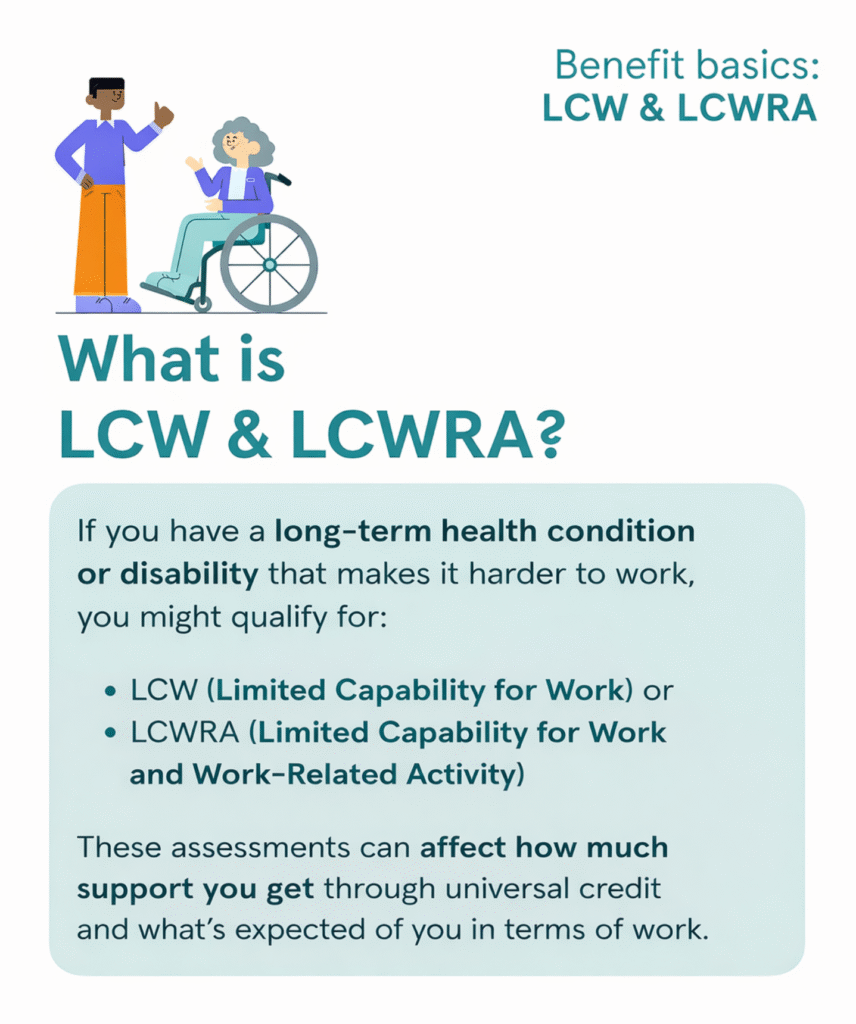
Some claimants do not need to rely on the full points system in the work capability assessment. Certain severe conditions can automatically place them in the limited capability for work and work-related activity (LCWRA) group.
These cases fall under what the DWP calls the severe conditions criteria for Universal Credit.
Conditions that automatically qualify you for LCWRA
A claimant may qualify automatically if they:
- Have a severe, lifelong condition that will not improve
- Face a substantial risk to their health or others if required to work
- Are undergoing end-of-life care
- Have conditions that prevent them from performing basic daily activities safely
These are often referred to as conditions that automatically qualify you for LCWRA, although each case still requires medical evidence.
What the DWP looks for
To meet the severe conditions criteria, the DWP expects:
- A confirmed diagnosis from a qualified healthcare professional
- Evidence that the condition severely limits function long-term
- Proof that the condition is unlikely to improve
In some cases, claimants may not need repeated reassessments if their condition is permanent.
Why this matters for caregivers
Caregivers play a critical role in:
- Identifying when a client may qualify automatically
- Providing detailed care records as supporting evidence
- Ensuring the client avoids unnecessary reassessments
When caregivers understand these criteria, they can help clients access LCWRA payment faster and reduce stress during the assessment process.
MORE: What is 24 Hour Live In Care? 2026 Update for Care Businesses
Universal Credit LCWRA Changes and How WCA Links to PIP
Recent updates to the benefits system mean caregivers must understand how the work capability assessment connects with other assessments like Personal Independence Payment (PIP).
Universal Credit LCWRA changes
The government has introduced and proposed several universal credit LCWRA changes, including:
- Adjustments to LCWRA payment rates
- Introduction of different payment tiers for some claimants
- Long-term plans to replace the work capability assessment (expected around 2028)
These changes aim to shift more focus toward disability-based assessments like PIP.
How LCWRA and PIP are linked
Although they serve different purposes, LCWRA and PIP often overlap:
- Work Capability Assessment (WCA) → focuses on ability to work
- PIP assessment → focuses on daily living and mobility needs
A claimant can receive both, but one does not automatically guarantee the other.
PIP assessment updates and timelines
Recent PIP assessment updates affect how quickly decisions are made and how evidence is reviewed.
- Many claimants ask: “how long after PIP assessment for a decision 2025?”
- In most cases, decisions take 2 to 8 weeks, depending on complexity and evidence
What this means for caregivers
Caregivers should:
- Understand both systems to guide clients correctly
- Ensure evidence supports both work limitations and daily living needs
- Track assessment timelines to avoid delays in payments
As policy continues to evolve, staying informed about both WCA and PIP ensures caregivers can provide accurate, up-to-date support and help clients access the full range of benefits available.
ALSO SEE: UK Pensioners PIP Backdated Payments 2025: What You Need to Know in 2026
What to Do If You Need Help With Your Assessment
The work capability assessment process can feel overwhelming, especially for vulnerable clients. Caregivers play a key role in making sure claimants get the support they need at every stage.
Get advice early
Claimants should seek guidance as soon as they receive the UC50 form. Organisations like Citizens Advice can help explain questions, review answers, and identify missing evidence.
- Citizens Advice helpline: 0800 260 0700
Early support can prevent mistakes that lead to incorrect decisions or delays.
Gather strong evidence
Caregivers should help clients collect:
- GP or specialist letters
- Medication records
- Care plans and daily support logs
Clear evidence strengthens the case for limited work capability or limited capability for work and work-related activity.
Prepare for the assessment
Before the assessment:
- Review the UC50 answers
- Practice explaining daily difficulties clearly
- Focus on what the client cannot do reliably or repeatedly
Caregivers can attend the assessment (with permission) to provide reassurance and support.
Challenge incorrect decisions
If the outcome does not reflect the client’s condition:
- Request a mandatory reconsideration
- Provide additional evidence
- Clearly state which descriptors apply
Many decisions change when claimants challenge them with better evidence.
Why caregiver support matters
Caregivers help clients:
- avoid common mistakes
- reduce stress during assessments
- improve the chances of receiving the correct level of support
With the right guidance, clients can navigate the system more confidently and secure the benefits they are entitled to.
Need Help Supporting Clients Through the Work Capability Assessment?
At Care Sync Experts, we don’t just explain the work capability assessment — we help care providers navigate it confidently to secure the right outcomes for their clients.
Whether you need support with:
- Helping clients complete the UC50 form accurately and confidently
- Gathering strong medical evidence to support limited work capability or LCWRA claims
- Preparing clients for assessments and improving their chances of a fair decision
- Understanding limited capability for work payments and LCWRA payment timelines
- Managing reassessments and DWP Universal Credit payments reviews
- Supporting vulnerable clients who may meet severe conditions criteria for Universal Credit
We’re here to guide you.
Don’t let assessment errors, delays, or misunderstandings reduce your clients’ access to the financial support they deserve.
Let our experts help you strengthen your care delivery, improve outcomes, and support clients with confidence.
Speak with Care Sync Experts and take the next step toward delivering compliant, high-quality, and client-focused care services across the UK.
FAQ
How long does it take to get a decision after a Work Capability Assessment?
Most claimants receive a decision within 2 to 8 weeks after the assessment. The exact timing depends on how quickly the healthcare professional submits their report and how long the DWP takes to review the case. Delays can happen if additional evidence is required.
How to win a Work Capability Assessment appeal?
To successfully challenge a decision, claimants must:
– Request a mandatory reconsideration first
– Clearly identify which descriptors apply to their condition
– Provide new or stronger medical evidence (GP letters, specialist reports, care notes)
– Explain how their condition affects daily activities reliably and repeatedly
Strong, specific evidence usually makes the biggest difference in overturning decisions.
What questions are asked in a Work Capability Assessment?
The assessor focuses on how the claimant functions day-to-day. Common questions include:
– Can you walk or move around safely?
– Can you lift or carry objects?
– How do you manage daily tasks like washing or dressing?
– Can you concentrate, remember tasks, or make decisions?
– How does your condition affect you on both good and bad days?
These questions help determine which descriptors, and therefore work capability assessment points, apply.
Who decides if you have limited capability for work?
A DWP decision-maker makes the final decision, not the healthcare professional who conducts the assessment.
The healthcare professional completes a report based on the assessment, and the DWP reviews:
– the UC50 form
– medical evidence
– the assessment report
The decision-maker then determines whether the claimant is fit for work, has limited capability for work, or qualifies for limited capability for work and work-related activity (LCWRA).

Would you like to receive update from CareSync Experts?
All rights reserved. Copyright © - Care Sync Experts.


