What Is an Enhanced DBS CRB Check? 2026 Update for Care Homes
Text to speech
Duration: 00:00
Font size
Published: 30 Mar, 2026
Share this on:
An enhanced DBS CRB check is the highest level of background check carried out by the UK’s Disclosure and Barring Service. It shows spent and unspent convictions, cautions, local police intelligence, and barred list status for people working with children or vulnerable adults. Employers must request this check for regulated roles such as caregivers, nurses, and support workers.
An enhanced DBS check typically costs £49.50 (excluding any service fees) and takes 7 to 14 days to complete, although delays can occur if multiple police forces need to review the application. This check plays a critical role in safeguarding, making it a legal and operational requirement for most care providers.

Key Takeaways
- An enhanced DBS CRB check is the highest level of criminal record check in the UK
- It includes convictions, cautions, police intelligence, and barred lists
- Caregivers and healthcare staff must pass this check to work in regulated roles
- Employers (not individuals alone) must initiate the application
- The standard fee is £49.50, and results usually arrive within 7–14 days
- There is no official expiry, but employers often request renewal every 1–3 years
What Is an Enhanced DBS CRB Check?
An enhanced DBS CRB check is a safeguarding requirement that allows care providers to verify whether a person is safe to work with vulnerable individuals. If you run a care agency, manage a care home, or recruit support staff, this check protects your clients, your business, and your regulatory standing.
In simple terms, what is a DBS check?
A DBS check is a background screening process carried out by the Disclosure and Barring Service to review a person’s criminal record and suitability for specific roles. The enhanced CRB DBS version goes further than a basic DBS check by including sensitive information relevant to safeguarding.
From a caregiver business standpoint, this is not optional; it is a core compliance requirement.
Why It Matters in Care Services
- Protects vulnerable people: You ensure that staff working with children, elderly individuals, or people with disabilities are safe and suitable
- Supports regulatory compliance: Regulators like CQC expect strict DBS checks as part of safe recruitment practices
- Improves trust and reputation: Families and commissioners trust providers who follow proper safeguarding procedures
- Reduces legal risk: Hiring without proper checks can lead to serious legal and operational consequences
Enhanced vs Basic DBS Check (Quick Context)
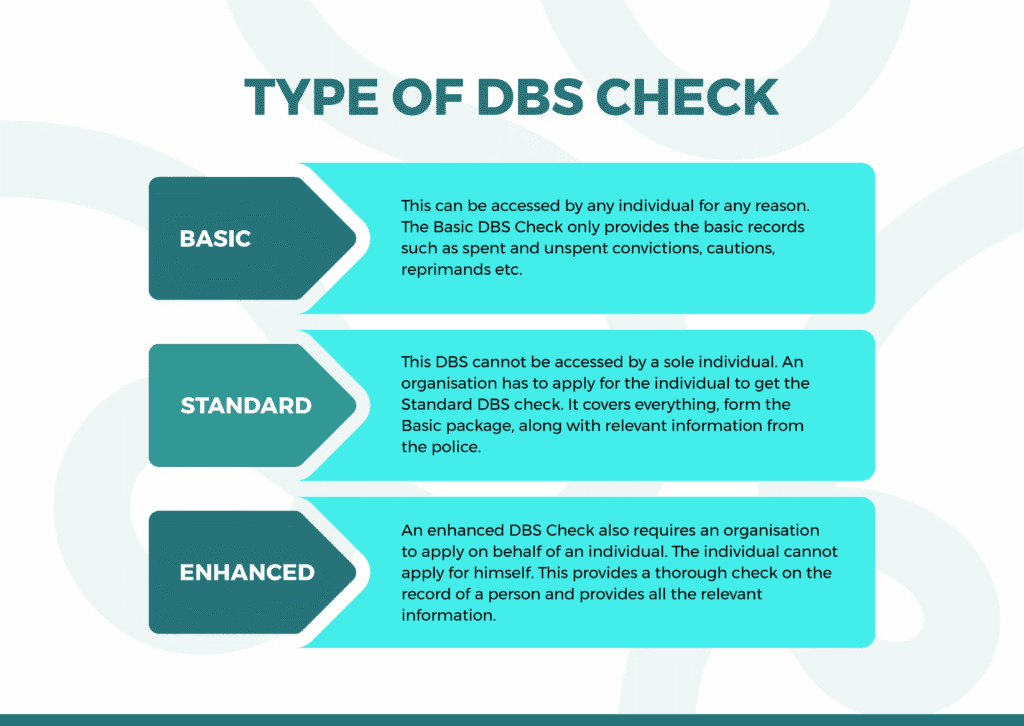
A basic DBS check only shows unspent convictions.
An enhanced DBS CRB check provides a full safeguarding picture, which makes it essential for caregiver roles.
If you employ or manage caregivers, you must treat DBS checks as part of your standard hiring process, not an afterthought.
RELATED: Employment Rights Bill: What UK Care Workers Must Do Before 2026–2027
Who Needs an Enhanced DBS Check in Care Services?
Care providers must follow strict enhanced DBS CRB requirements when hiring staff. If a role involves direct contact with vulnerable people, you must request an enhanced DBS check before allowing the person to start work.
Roles That Require an Enhanced DBS Check
In the care sector, you must carry out an enhanced DBS check for:
- Care workers and domiciliary caregivers
- Support workers and healthcare assistants
- Nurses and clinical staff
- Care home managers and supervisors
- Agency staff working with vulnerable adults or children
- Volunteers involved in regulated care activities
If your staff provide personal care, handle medication, or support daily living, the role almost always falls under regulated activity.
What Counts as Regulated Activity?
A role qualifies as regulated activity if the worker:
- Provides personal care (washing, dressing, feeding)
- Supports individuals with healthcare or medication
- Works closely with children or vulnerable adults on a regular basis
- Has unsupervised access to people receiving care
If the answer is yes to any of the above, you must complete an enhanced DBS check.
Why This is Important for Care Providers
- Regulators expect strict compliance with DBS requirements
- Commissioners often require proof of DBS checks before awarding contracts
- Failing to carry out checks can lead to serious legal consequences
If you run a care business, treat enhanced DBS checks as a non-negotiable hiring step.
What Does an Enhanced DBS Check Include? (CRB Checklist)
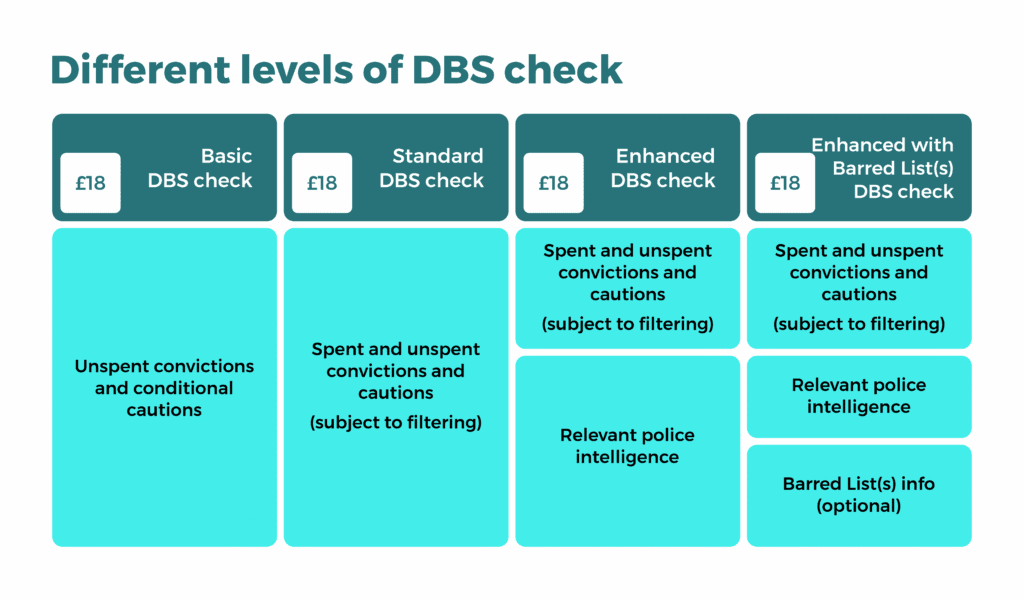
An enhanced DBS CRB check provides a complete safeguarding profile of an individual. As a care provider, you use this information to decide whether a candidate is safe to work with vulnerable people.
Here is a clear CRB checklist of what the enhanced check includes:
1. Criminal Record (Spent and Unspent)
The check shows:
- Unspent convictions
- Relevant spent convictions
- Cautions, reprimands, and final warnings
This gives you a full history, not just recent offences.
2. Local Police Intelligence
Police forces may include additional information they believe is relevant to the role.
- This may not appear on standard checks
- It helps identify potential risks that are not captured in convictions
This is one of the key reasons the enhanced CRB DBS is required in care roles.
3. Barred Lists Check
The enhanced DBS check can confirm if a person is:
- Barred from working with children
- Barred from working with vulnerable adults
- Or both (depending on the role)
If someone appears on a barred list, you must not employ them in regulated activity.
4. Identity and Eligibility Verification
Before submission, the process also confirms:
- Identity documents
- Address history
- Right to work details (where applicable)
Errors here can delay the process significantly.
Why This is Important for Care Businesses
- You get a complete safeguarding picture, not just a basic background check
- You reduce the risk of hiring unsuitable staff
- You stay compliant with CQC and safeguarding regulations
An enhanced DBS check is not just paperwork, it is a critical risk management tool for any caregiver business.
READ MORE: Central Reservations System for Caregivers UK: Importance of Digital Care Management
How to Get an Enhanced DBS CRB (Step-by-Step)
If you run a care business, you must follow the correct process to get an enhanced DBS CRB check for your staff. You cannot skip steps or apply informally, regulators expect a structured process.
Here is how to get an enhanced DBS CRB check:
Step 1: Employer or Umbrella Body Initiates the Check
You (the employer) must start the process.
- If you process many checks yearly, you can register with DBS
- If not, you must use an umbrella body
This is why many people searching “enhanced DBS check online” cannot complete it alone.
Step 2: Complete the Enhanced DBS Application Form
The applicant fills in the enhanced DBS application form (also called the enhanced DBS CRB form).
This includes:
- Personal details
- Full 5-year address history
- Role information
Accuracy is critical; errors cause delays.
Step 3: Verify Identity Documents
You must verify the applicant’s identity before submission.
Required documents usually include:
- Passport or driving licence
- Proof of address
- Supporting ID if needed
If details do not match, the application may be rejected.
Step 4: Submit the Application
You send the completed form to:
- DBS (if registered), or
- Your umbrella body
At this stage, the enhanced DBS check online process moves into review.
Step 5: DBS Processes the Check
The Disclosure and Barring Service:
- Reviews criminal records
- Contacts relevant police forces
- Checks barred lists
This is the longest stage of the process.
Step 6: Certificate Issued to the Applicant
DBS sends the certificate directly to the applicant, not the employer.
- You must ask the applicant to show it
- You should verify authenticity before hiring
Key Tip for Care Providers
Always build this process into your recruitment workflow. Do not allow staff to start unsupervised work until you complete the enhanced DBS check.
A clear, compliant process protects your business and ensures you meet enhanced DBS CRB requirements.
Can You Apply for an Enhanced DBS Check for Yourself?
Many people search “apply for enhanced DBS for myself” or “enhanced DBS check for myself”, but this often leads to confusion.
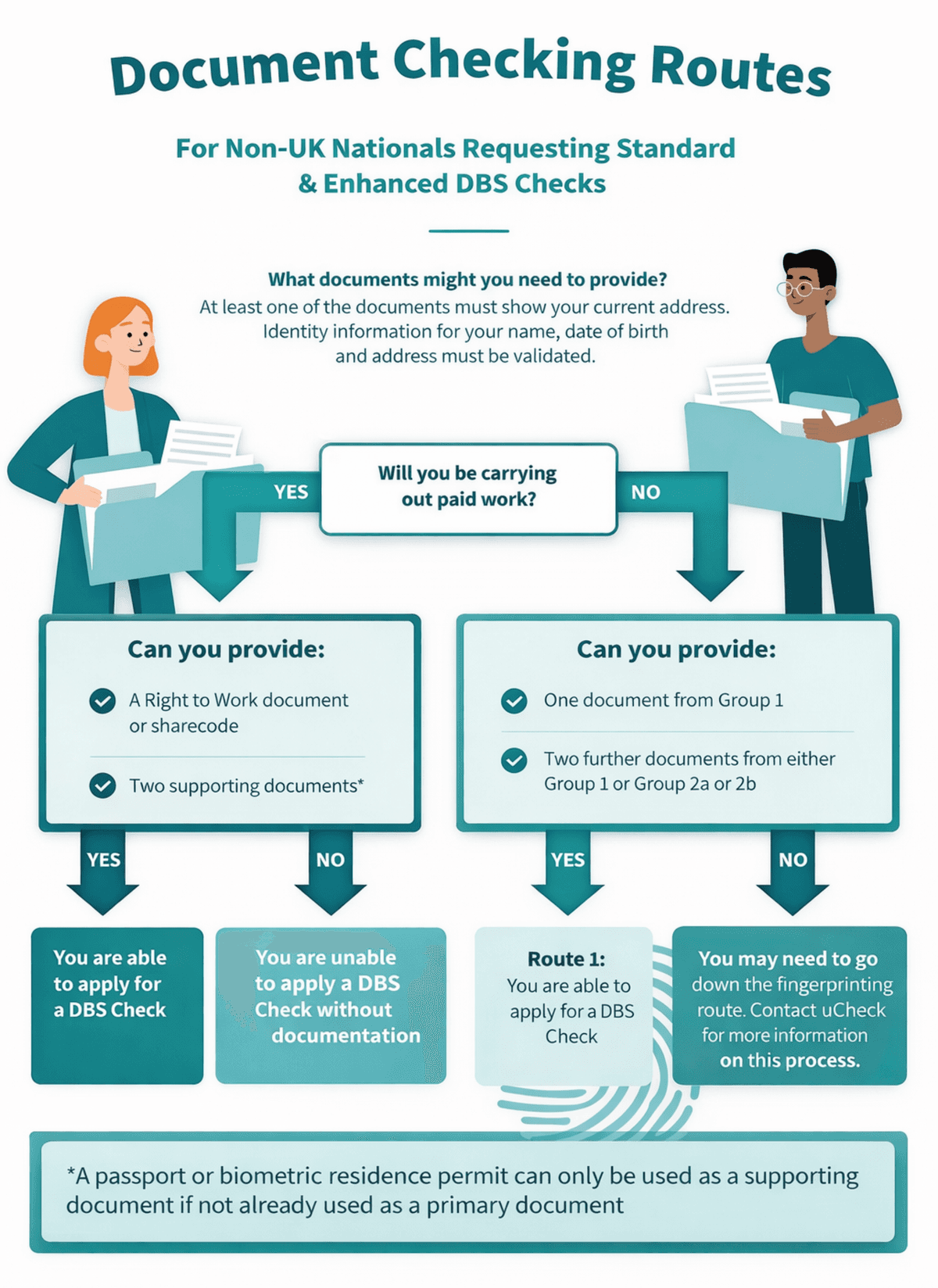
The truth is simple: You cannot apply for an enhanced DBS CRB check entirely by yourself.
Why You Cannot Apply Alone
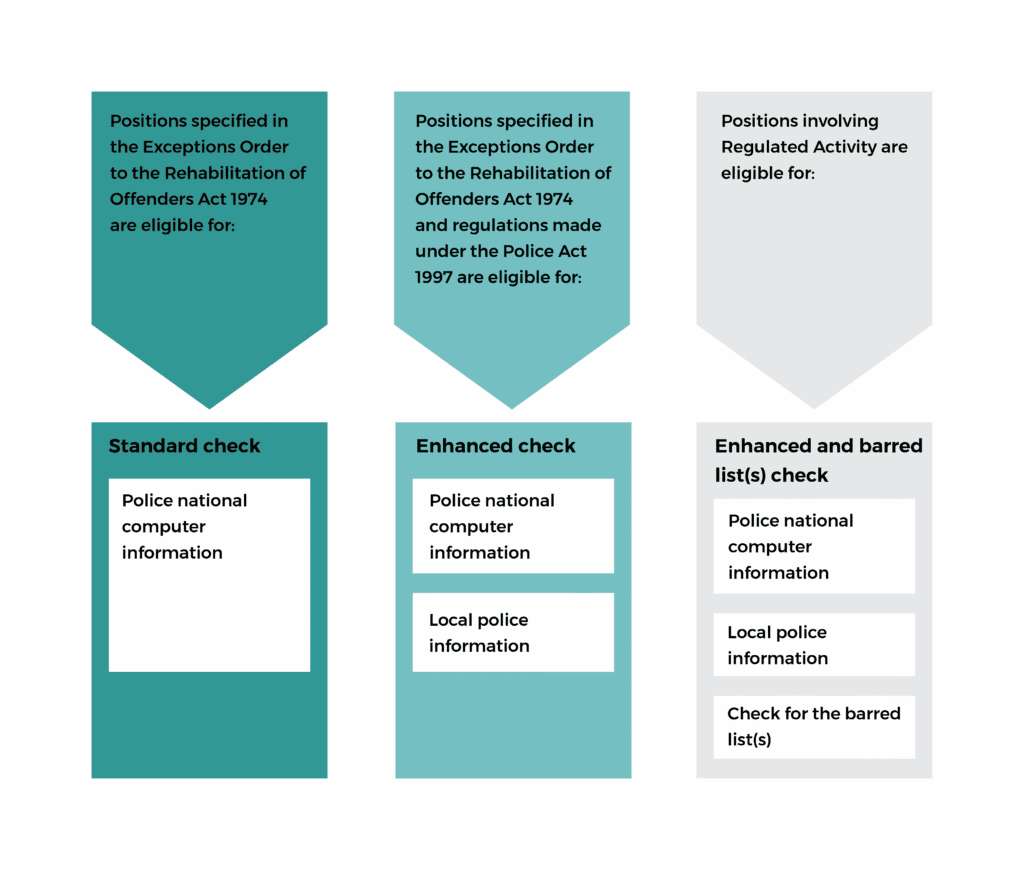
The Disclosure and Barring Service only allows enhanced checks when:
- A specific job role requires it
- The role involves regulated activity
- An employer or authorised organisation verifies the application
This ensures the check stays relevant to safeguarding, not general background screening.
How Individuals Actually Get an Enhanced DBS Check
If you need an enhanced DBS check, you must go through:
- An employer (e.g. care agency, care home, NHS provider)
- Or an umbrella body acting on behalf of the employer
The employer will:
- Confirm the role qualifies for an enhanced check
- Complete the application process
- Verify your identity and documents
What If You Are Self-Employed?
If you work as a self-employed caregiver, you still cannot apply directly.
Instead, you must:
- Work with an organisation that can request the check
- Or use an umbrella body authorised to process enhanced DBS applications
Alternative Option (If You Just Need a Check)
If you only need a general background check (not for regulated care work), you can apply for a:
Basic DBS check
- This shows unspent convictions only
- You can apply for it yourself online
Key Takeaway for Care Businesses
If you hire caregivers, always remember:
- The employer controls the enhanced DBS process
- Individual applications without employer involvement are not valid
Understanding this prevents delays and ensures you meet enhanced DBS CRB requirements correctly.
How Long Does a DBS Check Take?
One of the most common questions care providers ask is: how long does a DBS check take?
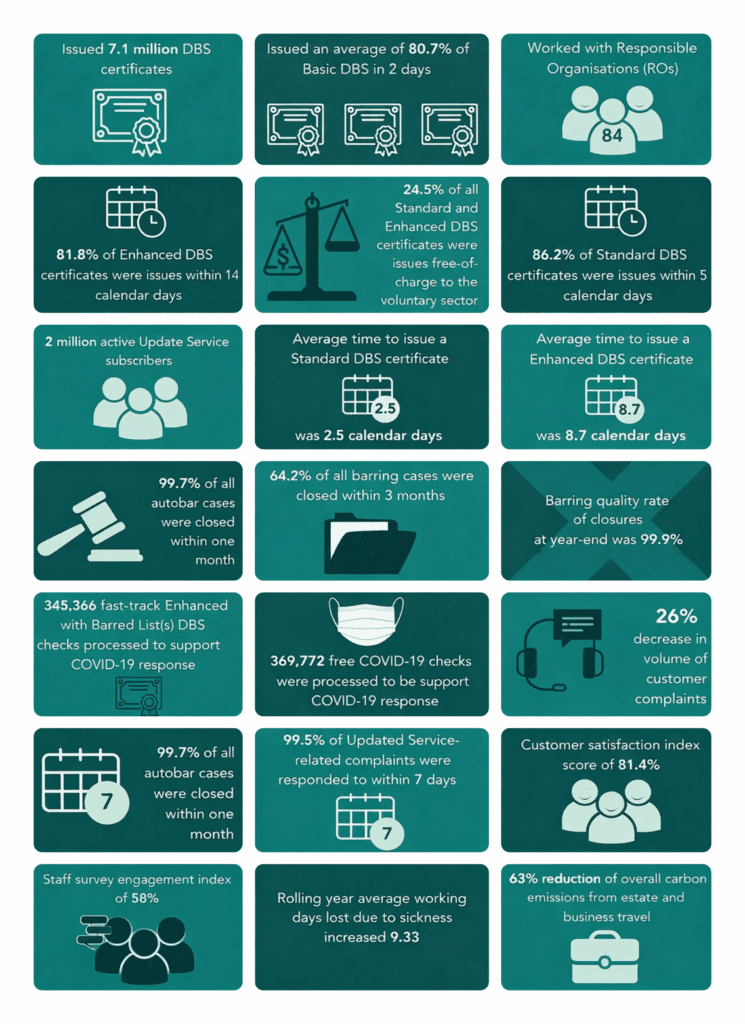
For an enhanced DBS CRB check, the process usually takes 7 to 14 days from submission to certificate issue.
Typical Timeline Breakdown
- Application and ID verification: 1–3 days
- DBS processing and police checks: 5–10 days
- Certificate delivery: 1–3 days
Most applications fall within this range if everything is correct.
What Can Delay an Enhanced DBS Check?
Several factors can extend the timeline:
- Incorrect or incomplete application details
- Gaps in address history
- Multiple police forces involved in checks
- High application volumes
Even small errors can add several days to the process.
Can You Speed Up a DBS Check?
No, you cannot pay to fast-track the official DBS process.
However, you can reduce delays by:
- Submitting accurate information
- Verifying documents properly
- Using experienced umbrella bodies
Why This Matters for Care Providers
- Delays can slow down recruitment
- You may need to supervise new staff temporarily
- Poor planning can affect service delivery and compliance
Always start DBS checks early in your hiring process.
Pro Tip
Build DBS timelines into your recruitment planning so you never rely on last-minute checks. A proactive approach keeps your care service fully compliant and operational.
How Much Is an Enhanced DBS Check?
An enhanced DBS check costs £49.50, excluding any additional service fees charged by third-party providers. If you are hiring caregivers, you must understand how much a DBS check costs so you can budget correctly and avoid surprises.
Breakdown of Costs
- Enhanced DBS check: £49.50
- Enhanced DBS with barred lists: £49.50 (same base fee)
- Volunteer checks: Free (in most cases)
The government sets these prices through the Disclosure and Barring Service.
Additional Service Fees
If you use an umbrella body or third-party provider, you may pay:
- Processing or administration fees
- Identity verification charges
- Optional support services
These can increase the total cost beyond £49.50.
Who Pays for the DBS Check?
This depends on your organisation:
- Some employers cover the full cost
- Some share the cost with employees
- Others require staff to pay upfront
In the care sector, many providers choose to cover the cost to attract and retain staff.
Why is This Important for Care Businesses?
- DBS checks are a mandatory hiring expense
- Costs can scale quickly if you recruit frequently
- Budgeting properly helps maintain compliance without delays
Treat DBS checks as a core operational cost, not an optional extra.
MORE: What Is the Care Certificate? 2026 Update
DBS Validity: How Long Does a DBS Check Last?
Many care providers ask: how long does a DBS last? Or what is the enhanced DBS CRB validity? A DBS check has no official expiry date, but employers typically renew it every 1 to 3 years to maintain compliance.
Why There Is No Expiry Date
A DBS certificate reflects a person’s criminal record at the time it was issued.
- It does not update automatically
- New offences or changes will not appear on an old certificate
This is why relying on an outdated check can be risky.
How Often Should You Renew a DBS Check?
Although there is no legal expiry, most care providers:
- Renew DBS checks every 1 to 3 years
- Request a new check when:
- A staff member changes role
- There are safeguarding concerns
- A contract requires updated compliance
Many commissioners and regulators expect recent DBS checks, not old ones.
Using the DBS Update Service
The update service allows you to:
- Keep a DBS certificate up to date
- Check an employee’s status online
- Avoid repeated full applications
This is especially useful for care agencies with frequent recruitment.
Why This is Important for Care Businesses
- Outdated checks can lead to compliance issues
- You may fail inspections if records are not current
- Regular updates protect both service users and your organisation
Treat DBS renewal as part of your ongoing safeguarding process.
DBS Tracking: How to Track Your Application
After submitting an application, many employers and applicants want to know how to track DBS progress. The good news is that you can monitor your application using the DBS tracking service. You can track DBS applications online using the Disclosure and Barring Service tracking service with your application reference number and date of birth.
How to Track a DBS Application
You can use the official Disclosure and Barring Service tracking service to check the status of an application.
To use the DBS tracking service, you will need:
- Application reference number
- Applicant’s date of birth
Once entered, the system shows the current stage of the check.
Stages You May See When You Track DBS
When using disclosure barring service tracking, your application may show:
- Application received
- ID verification completed
- Police checks in progress
- Certificate printed
- Certificate dispatched
This helps you understand exactly where delays may occur.
Who Can Use DBS Tracking?
- Employers (if they submitted the application)
- Umbrella bodies managing the process
- Applicants (with the correct reference details)
If you used an umbrella body, they may also provide their own tracking updates.
Why DBS Tracking Matters for Care Providers
- Helps you plan staff onboarding timelines
- Reduces uncertainty during recruitment
- Allows you to follow up quickly if delays occur
This is especially important when hiring multiple caregivers at once.
DBS Update Service: How It Helps Care Providers
The DBS Update Service is a subscription service that allows employers to check whether a DBS certificate remains up to date without submitting a new application each time.
What Is the DBS Update Service?
The update service lets you:
- Check an employee’s DBS status online
- Confirm if new information has been added since the certificate was issued
- Avoid repeating full DBS applications
This makes it easier to manage compliance across your workforce.
How It Works
- The employee registers for the update service after receiving their DBS certificate
- The employer gets permission to check their status online
- The system confirms whether the certificate is still valid or if changes exist
You do not see details, only whether the status has changed.
Cost of the Update Service
- Annual subscription: £13 per year
- Free for volunteers
This is a low-cost way to maintain continuous safeguarding checks.
For Care Businesses, This:
- Reduces the need for repeated DBS applications
- Speeds up recruitment and onboarding
- Helps maintain ongoing compliance with safeguarding standards
For agencies hiring frequently, this can save both time and money.
When You Should Still Request a New DBS Check
Even with the update service, you should request a new check if:
- The employee changes role significantly
- The check level is no longer appropriate
- You cannot verify continuous subscription
Basic vs Enhanced DBS: What’s the Difference?
A basic DBS check shows only unspent convictions, while an enhanced DBS check includes full criminal history, police intelligence, and barred list checks required for roles involving vulnerable people.
Care providers often compare a basic DBS check with an enhanced DBS CRB check, but the difference is significant. Choosing the wrong level can lead to compliance issues.
Key Differences at a Glance
| Feature | Basic DBS Check | Enhanced DBS CRB Check |
| Criminal records | Unspent convictions only | Spent + unspent convictions, cautions |
| Police intelligence | Not included | Included (if relevant) |
| Barred lists | Not included | Included (if required) |
| Who can apply | Individuals or employers | Employers or umbrella bodies only |
| Typical use | General employment checks | Care, healthcare, education roles |
When to Use a Basic DBS Check
A basic DBS check is suitable when:
- The role does not involve vulnerable people
- You need a general background check
- The position is low-risk from a safeguarding perspective
Individuals can apply for this check themselves.
When to Use an Enhanced DBS Check
An enhanced CRB DBS check is required when:
- The role involves regulated activity
- Staff provide personal care or healthcare support
- There is direct contact with vulnerable adults or children
This is the standard requirement in the care sector.
Importance for Care Providers
- Using the wrong check can lead to regulatory breaches
- You may fail inspections if safeguarding checks are inadequate
- Commissioners often require enhanced DBS checks as standard
Always match the check level to the role.
Common DBS Mistakes Care Providers Must Avoid
Even experienced care providers make mistakes when handling enhanced DBS CRB checks. These errors can delay recruitment, fail inspections, or expose your business to safeguarding risks.
1. Allowing Staff to Start Without a DBS Check
Some providers let staff begin work before completing checks.
This is risky.
- Staff must not carry out unsupervised regulated activity without a valid DBS check
- Regulators may flag this during inspections
2. Using Outdated DBS Certificates
Many employers assume a DBS check lasts forever.
It does not update automatically.
- Old certificates may not reflect new offences
- This can create serious safeguarding gaps
3. Requesting the Wrong Level of Check
Using a basic DBS check for a caregiver role is a common mistake.
In care settings, you usually need an enhanced CRB DBS check.
4. Poor Identity Verification
Errors in ID checks can:
- Delay applications
- Lead to rejection
- Cause compliance issues
Always verify documents carefully before submission.
5. Not Checking Barred List Requirements
Some employers forget to request barred list checks when needed.
This is a critical safeguarding failure.
- You must check barred lists for regulated roles
- Failing to do so can have legal consequences
6. Ignoring DBS Tracking
Not using the dbs tracking service can leave you in the dark.
You should always:
- Track application progress
- Follow up on delays early
7. Not Using the Update Service
Skipping the update service leads to:
- Repeated applications
- Higher costs
- Slower hiring
Many providers overlook this simple efficiency tool.
- Mistakes can lead to failed CQC inspections
- You risk hiring unsuitable staff
- Your reputation and contracts may suffer
Strong DBS processes protect both your clients and your business.
Quick Tip
Build a standard DBS workflow into your recruitment process, so every check is consistent, compliant, and easy to track.
Final Thoughts…
An enhanced DBS CRB check ensures that caregivers and healthcare staff are safe to work with vulnerable people by providing a full background check, including criminal records, police intelligence, and barred list status.
It is more than a recruitment step; it is a core part of running a safe, compliant, and trusted care service.
If you manage a care business, every hiring decision directly affects:
- The safety of vulnerable people
- Your regulatory compliance
- Your reputation with families and commissioners
What Smart Care Providers Do Differently
Successful care providers:
- Start DBS checks early in the hiring process
- Use structured workflows for every application
- Keep records up to date and verifiable
- Use tools like DBS tracking and the update service
- Never compromise on safeguarding standards
They treat DBS checks as a business-critical system, not admin.
The Bigger Picture
Strong DBS processes help you:
- Pass inspections with confidence
- Win and retain government contracts
- Build trust with service users and families
- Reduce risk across your organisation
In today’s care sector, compliance is not optional; it is your competitive advantage.
Need Help with DBS Compliance or Care Business Setup?
At Care Sync Experts, we help care providers stay compliant, win contracts, and grow with confidence.
Whether you need support with:
- Enhanced DBS processes and safeguarding compliance
- CQC registration and inspection readiness
- Tender writing and contract acquisition
- Policies, documentation, and operational setup
We’ve got you covered.
Don’t risk delays, failed inspections, or lost opportunities.
Let our experts handle the complexity so you can focus on delivering quality care.
Book a consultation with Care Sync Experts and take the next step toward building a compliant, scalable care business.
FAQ
What does DBS stand for?
DBS stands for the Disclosure and Barring Service. It is the UK government body responsible for carrying out background checks to help employers make safer recruitment decisions, especially in sectors like healthcare, education, and social care.
What does a DBS check show?
A DBS check shows an individual’s criminal record history, depending on the level of the check.
Basic DBS check: Unspent convictions only
Enhanced DBS CRB check: Spent and unspent convictions, cautions, police intelligence, and barred list status (if requested)
Employers use this information to assess whether someone is suitable to work with vulnerable people.
What is a CRB check?
A CRB check is the old name for what is now called a DBS check.
CRB stood for Criminal Records Bureau
It was replaced by the Disclosure and Barring Service (DBS) in 2012
Today, people still use the term “CRB check,” but it means the same as a DBS check.
How long does an enhanced DBS check take?
An enhanced DBS check typically takes 7 to 14 days to complete.
However, it may take longer if:
– Multiple police forces need to review the application
– The information provided is incorrect or incomplete
– Most delays happen due to errors or additional checks, so accuracy is key when applying.
Related reading
- What is Regulated Activity? 2026 DBS Update, Examples
- Can you use the DBS Update Service for CQC registration?
- Manager Application Evidence: 9 Essential Home Care Checks
- How to Apply for CQC Registration in 2026: Forms, Evidence and Assessment
- CQC Personal Care Form: 7 Essential Application Checks
- Service User Feedback in Health and Social Care: How to Build Better CQC Evidence
Browse every article on CQC, Ofsted, CIW and RQIA compliance