Central Reservations System for Caregivers UK:
Importance of Digital Care Management
Text to speech
Duration: 00:00
Font size
Published: 27 Mar, 2026
Share this on:
A central reservations system in caregiving is a digital platform that allows care providers to manage bookings, staff scheduling, and care delivery from a single system.
In the UK, these systems help domiciliary care agencies and care homes coordinate visits, maintain accurate care records, and meet compliance standards efficiently.
In simple terms, what is a central reservation system? It is a tool that replaces manual booking, rota planning, and paper-based care logs with a centralised, real-time system designed to improve care delivery and operational control.
Key Takeaways
- A central reservations system helps care providers manage bookings, staff rotas, and care plans in one place
- UK care businesses use these systems to improve efficiency and meet CQC compliance requirements
- Digital systems replace paper logs with real-time, secure care records
- Platforms often include features like scheduling, visit tracking, and mobile access for carers
- Tools such as Log my care, CarePlanner login, and Birdi software support digital care management
- Centralised systems reduce admin workload and improve visibility across care operations

What Is a Central Reservations System in Care?
A central reservations system in care is a digital system that manages bookings, staff scheduling, and care delivery from one central platform. It allows care providers to organise visits, assign carers, and track services in real time without relying on paper or disconnected tools.
So, what is central reservation in the care context?
It is the process of coordinating all care-related bookings, such as home visits, shift allocations, and service delivery, through a single, centralised system.
In broader terms, the central reservation meaning comes from industries like hotels and travel, where a central reservation system manages room bookings across multiple locations. In care, the concept works differently. Instead of rooms, providers manage:
- client visits
- staff rotas
- care delivery schedules
This often raises questions like:
- what’s a central reservation system in care?
- what’s central reservation compared to traditional scheduling?
The answer is simple: it replaces manual coordination with a structured, digital workflow.
For example, instead of:
- answering calls to book visits
- updating paper rota sheets
- manually checking care plans
a central reservations system allows teams to:
- book visits instantly
- assign carers based on availability
- access care plans and updates in real time
This shift gives care providers better control over daily operations while reducing errors and missed appointments.
At its core, a central reservations system is not just about booking, it is about connecting every part of care delivery into one reliable system.
How Central Reservation Systems Work in Caregiver Operations
A central reservations system brings together booking, scheduling, and care delivery into one smooth workflow. Instead of juggling calls, paper logs, and separate tools, care providers manage everything from a single platform.
Here’s how it works in real caregiver operations:
1. Booking and Visit Allocation
Staff or coordinators enter new care requests into the system. This could be:
- a new client needing daily visits
- a family booking a care slot
- an urgent same-day request
The system logs the booking instantly and makes it visible to the entire team. This replaces manual processes like phone bookings and handwritten logs.
2. Staff Scheduling and Rotas
Once a visit is booked, the system assigns carers based on:
- availability
- location
- skills and qualifications
Instead of updating spreadsheets or rota sheets, managers adjust schedules in real time.
This ensures no missed visits and better workload balance.
3. Care Plan Access and Updates
Carers access client information directly from the system, including:
- care plan template details
- medication instructions
- visit notes and history
They no longer need printed documents or separate files. Everything stays updated in one place.
4. Real-Time Logging and Communication
During or after visits, carers log activities using mobile apps or portals (often referred to as log in care systems). They can:
- record completed tasks
- update notes
- flag issues instantly
Managers see updates in real time, which improves oversight and response speed.
5. Monitoring and Compliance Tracking
The system automatically tracks:
- visit times and attendance
- completed care tasks
- audit trails for inspections
This makes it easier to prepare for CQC inspections and maintain compliance without scrambling for records.
Without a central reservation workflow, teams rely on:
- phone calls
- paper records
- disconnected tools
With a central reservations system, everything connects:
- bookings → schedules → care delivery → reporting
The result is fewer errors, faster coordination, and more time focused on actual care instead of admin.
RELATED: What Is the Care Certificate? 2026 Update
Why UK Care Providers Are Moving to Central Reservation Systems
Care providers across the UK are moving to a central reservations system because manual processes no longer keep up with the demands of modern care delivery.
Most teams recognise the same daily challenges:
- constant phone calls to book or change visits
- rota clashes and last-minute gaps
- missing or incomplete care records
- pressure to stay compliant with CQC standards
A central reservation approach removes these problems by giving providers full control over their operations.
1. Reducing Admin Pressure on Staff
Reception and care coordinators often spend hours managing bookings manually. Each call interrupts workflow and increases the risk of errors.
With a central reservations system, teams:
- book visits in seconds
- update schedules instantly
- reduce back-and-forth communication
Staff spend less time on admin and more time supporting care delivery.
2. Improving Compliance and Inspection Readiness
UK regulators expect accurate, accessible records at all times. Paper logs and scattered systems make this difficult.
A digital system:
- stores all visit and care data securely
- creates automatic audit trails
- allows instant access during inspections
This makes CQC inspections far less stressful and more predictable.
3. Enhancing Visibility Across the Organisation
Managers need to know what is happening in real time:
- who is on shift
- which visits are completed
- where issues are occurring
A central reservations system provides a live overview of operations, helping teams respond quickly and make better decisions.
4. Improving the Experience for Families and Clients
Families expect convenience and transparency. Manual booking systems often lead to:
- missed appointments
- unclear schedules
- delays in communication
With digital booking and scheduling:
- visits are confirmed instantly
- updates are communicated clearly
- service delivery becomes more reliable
This builds trust and improves satisfaction.
5. Supporting Growth Without Losing Control
As care businesses grow, manual systems break down quickly. More clients and staff mean more complexity.
A central reservation system allows providers to:
- scale operations smoothly
- maintain consistent standards
- manage multiple locations or teams
Growth becomes structured instead of chaotic.
READ MORE: What Are Part L Building Regulations? What Care Homes Need to Know in 2026
Key Features to Look For in a Central Reservations System
Not all platforms offer the same value. A good central reservations system should support the full care workflow, from booking visits to managing compliance, without adding complexity.
Here are the key features UK care providers should prioritise:
1. Digital Booking and Scheduling
The system should allow teams to:
- book visits quickly
- adjust schedules in real time
- avoid double bookings or missed appointments
A strong booking engine replaces manual coordination and keeps operations organised.
2. Staff Rota and Workforce Management
Look for tools that manage:
- staff availability
- shift allocation
- travel time between visits
Platforms like The Care Office and CarePlanner login systems already offer structured rota management, helping coordinators balance workloads efficiently.
3. Mobile Access for Carers
Carers need access on the go. A modern system should allow them to:
- log visits in real time (log in care)
- update notes instantly
- confirm completed tasks
Solutions such as Log my care and Birdi software provide mobile-friendly access, making it easier for carers to stay connected while working in the community.
4. Digital Care Plans and Records
A reliable system should include:
- structured care plan template access
- medication records
- daily care notes
This ensures carers always work with up-to-date information and reduces reliance on paper files.
5. Real-Time Monitoring and Alerts
Managers should be able to track:
- missed or late visits
- staff attendance
- urgent care updates
Real-time alerts help teams act quickly and maintain service quality.
6. Compliance and Audit Trails
Compliance is non-negotiable in UK care.
The system must:
- store secure, time-stamped records
- provide full audit trails
- support CQC inspection requirements
This removes the need to manually compile records during inspections.
7. Reporting and Insights
A strong central reservation platform should generate reports on:
- service delivery
- staff performance
- client care trends
These insights help providers improve operations and make informed decisions.
What This Means in Practice
When these features work together, a central reservations system becomes more than just a booking tool.
It becomes a complete operational system that connects:
- bookings
- staff
- care delivery
- compliance
The right system does not just organise your care service, it helps you run it better, with fewer errors and more confidence.
SEE ALSO: What are Cold Weather Payments? Eligibility & How to Claim (2026)
Central Reservations System for Caregivers UK NHS
A central reservations system for caregivers UK NHS context is not a single national booking platform, but a group of digital systems that support care coordination, record-keeping, and service delivery across health and social care.
In practice, care providers use centralised systems to align with NHS expectations around:
- digital care records
- data sharing
- coordinated care delivery
How Central Systems Connect with NHS Workflows
Many UK care providers work alongside:
- Primary Care Networks (PCNs)
- GP services
- NHS-funded care packages
A central reservations system supports this by:
- organising care visits efficiently
- keeping accurate, up-to-date records
- making information easier to share when required
This improves communication between care providers and healthcare professionals.
Digital Social Care Records (DSCR)
The NHS has encouraged the adoption of Digital Social Care Records, which align closely with central reservation systems.
These records allow providers to:
- store care data securely
- access client information in real time
- reduce paperwork across services
A central reservations system often acts as the foundation for these digital records.
Data Protection and GDPR Compliance
Handling care data requires strict compliance with UK regulations.
A good system must:
- protect sensitive client information
- control user access levels
- maintain secure audit trails
This ensures providers meet both GDPR and NHS data handling expectations.
Using a central reservations system aligned with NHS standards helps providers:
- deliver more coordinated care
- reduce duplication of work
- improve communication across services
- stay compliant with national digital care initiatives
Cost of a Central Reservations System for Caregivers in the UK
The cost of a central reservations system for caregivers UK varies depending on the size of the organisation, the features required, and the number of users.
Most UK care providers can expect to pay between:
- £150 to £300 per month for small to mid-sized agencies
- £300 to £500+ per month for larger providers with advanced features
- Additional setup or training fees (in some cases)
What Affects the Cost?
Several factors influence pricing:
1. Number of Clients and Staff
Systems often scale based on:
- number of service users
- number of carers using the platform
Larger teams typically pay more.
2. Features and Functionality
Basic systems include:
- scheduling
- visit logging
- simple reporting
Advanced platforms add:
- real-time alerts
- integrations with other systems
- detailed analytics and compliance tools
More features = higher cost.
3. Level of Support and Training
Some providers include:
- onboarding support
- staff training
- ongoing customer service
Premium support may increase monthly fees but improves adoption.
Is It Worth the Cost?
For most care providers, the return on investment is clear.
A central reservations system helps reduce:
- admin hours spent on booking and scheduling
- missed visits and costly errors
- compliance risks during inspections
For example:
- saving 10–15 staff hours per week can easily offset the monthly fee
- avoiding one compliance issue can save thousands in potential penalties
MORE: Does Cold Weather Make You Sick? The Complete 2026 Guide
Hidden Cost of Not Using One
Manual systems may seem “free,” but they often lead to:
- wasted staff time
- inaccurate records
- higher operational risk
Over time, these hidden costs exceed the price of a digital system.
Central Reservations vs Hotel PMS Systems: What’s the Difference?
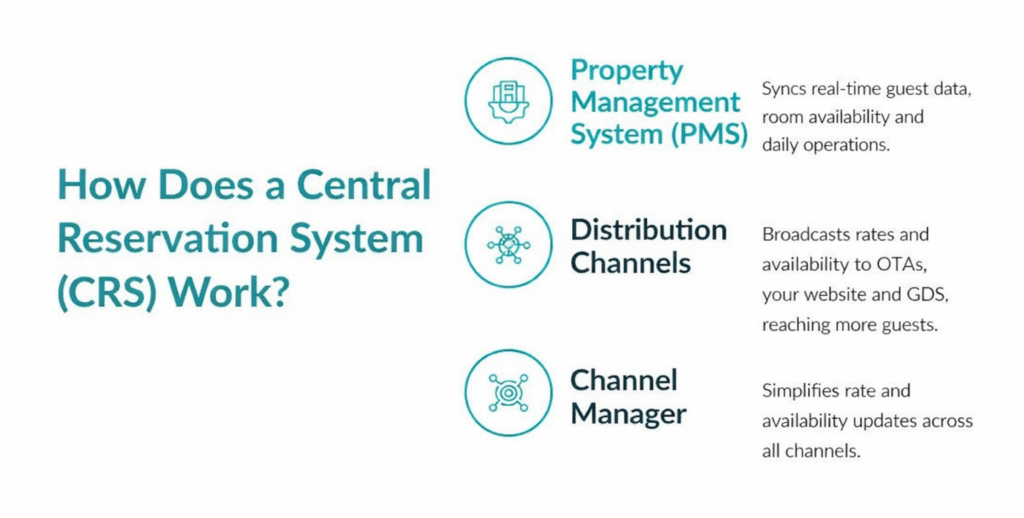
The term central reservation system often comes from industries like hospitality, which can cause confusion for care providers.
So, what’s the difference?
How Central Reservation Works in Hotels
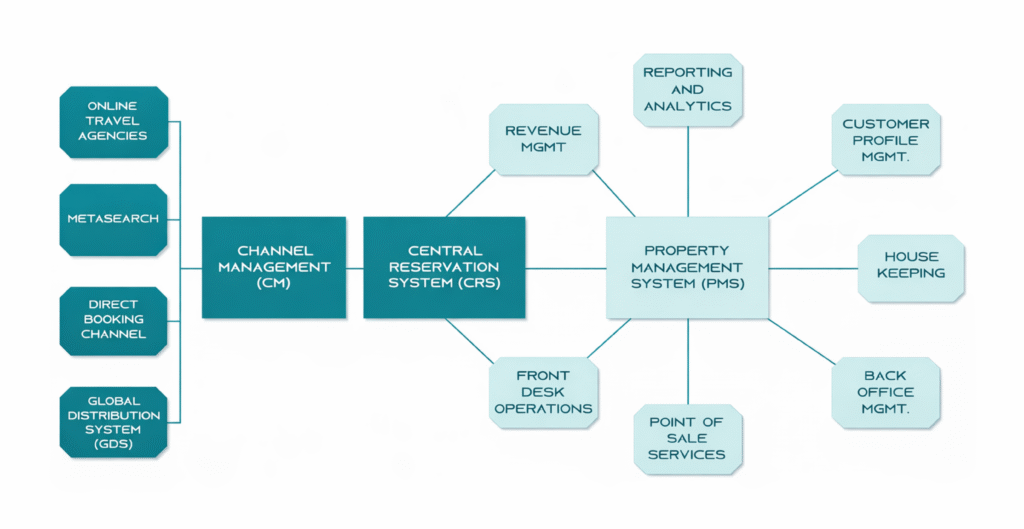
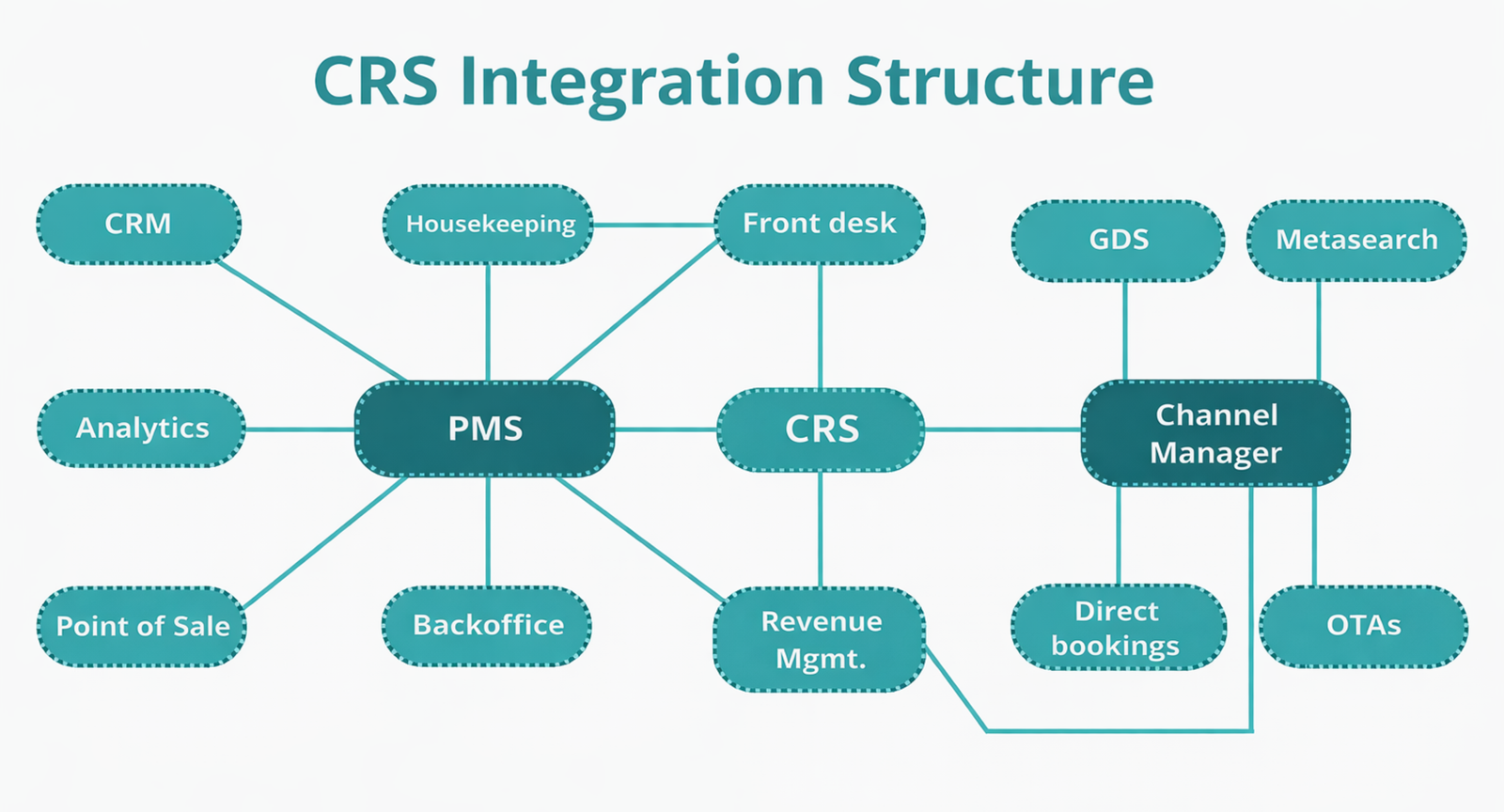
In hospitality, a central reservation system connects multiple booking channels to manage room availability across locations.
These systems often include:
- a hotel PMS system (Property Management System)
- an IBE booking engine (Internet Booking Engine)
- integrations with travel platforms
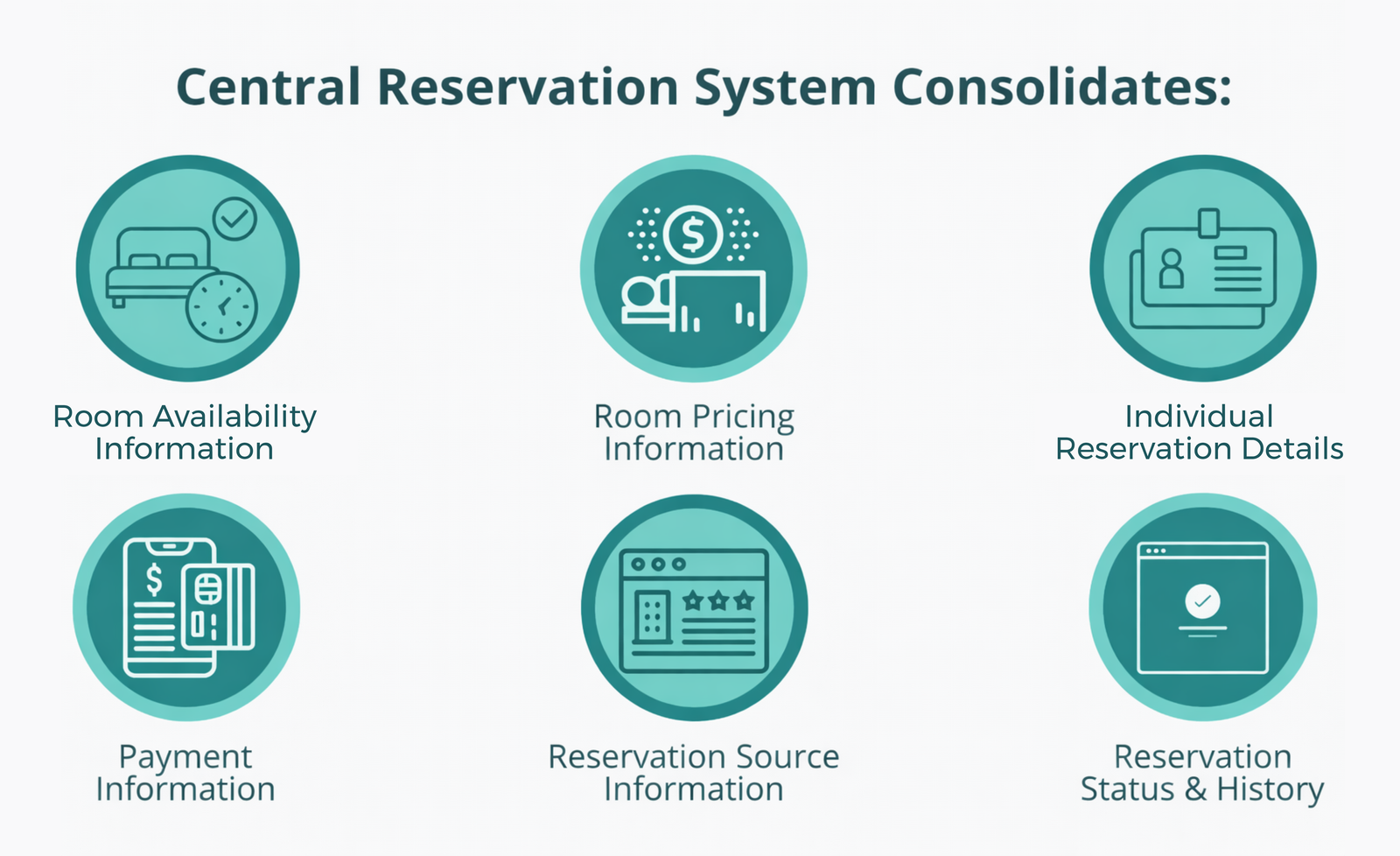
A major CRS (Central Reservation System) in hotels focuses on:
- room inventory
- pricing
- guest bookings
The goal is to maximise occupancy and revenue.
How Central Reservations Work in Care
In care, the purpose is completely different.
A central reservations system for caregivers focuses on:
- scheduling visits
- assigning carers
- managing care delivery
- maintaining compliance records
Instead of managing rooms, providers manage:
- people
- care needs
- service delivery
Key Differences at a Glance
| Feature | Care Systems | Hotel Systems |
| Primary focus | Care delivery | Room bookings |
| Users | Care staff & managers | Guests & hotel staff |
| Data handled | Care plans, visits, compliance | Reservations, pricing, availability |
| Compliance | CQC, GDPR | Hospitality regulations |
| Goal | Safe, efficient care | Maximise bookings |
Some providers researching management systems for hotels or a pms system hotel may assume similar tools apply to care.
They don’t.
Care systems are built for:
- safety
- compliance
- real-time care coordination
Hotel systems are built for:
- sales
- bookings
- revenue optimisation
READ: What Is the Retirement Age in the UK? (2026 Guide for Care Workers & Providers)
Should Your Care Business Use a Central Reservation System?
Not every care provider adopts a central reservations system at the same stage, but most reach a point where manual processes stop working.
Here’s how to decide if it’s the right move for your organisation.
You Should Use a Central Reservations System If:
1. You Struggle with Scheduling and Missed Visits
If your team relies on:
- phone calls
- spreadsheets
- paper rotas
you are likely dealing with:
- double bookings
- missed visits
- last-minute confusion
A central reservation system removes these issues by organising everything in one place.
2. Admin Work Is Taking Too Much Time
If your staff spend hours:
- answering booking calls
- updating schedules
- chasing information
A digital system can automate most of these tasks and free up time for care.
3. You Need Better Compliance and Record-Keeping
If preparing for inspections feels stressful or rushed, your current system may not be reliable.
A central reservations system helps by:
- storing accurate, time-stamped records
- providing instant access to data
- reducing compliance risks
4. Your Service Is Growing
As your business expands:
- more clients
- more staff
- more visits
Manual systems become harder to manage.
A central reservation approach allows you to scale without losing control.
You May Not Need One Yet If:
- You manage a very small number of clients
- Your operations are simple and stable
- You can track everything accurately without delays
Even then, growth will eventually create pressure to switch.
The Real Question to Ask
Instead of asking: “Do we need a central reservations system?”
Ask: “How much time and risk are we carrying by not using one?”
Conclusion
A central reservations system is quickly becoming a core part of how modern care services operate in the UK. It brings booking, scheduling, and care delivery into one structured system, giving providers better control over their day-to-day operations.
For caregivers, the impact is immediate:
- less time spent on admin
- fewer missed visits
- clearer communication across teams
- stronger compliance with regulatory standards
For managers and business owners, it creates something even more valuable: visibility and confidence. You can see what is happening across your service in real time, respond quickly to issues, and scale without losing control.
The shift from manual processes to a central reservation approach is not just about technology. It is about running a safer, more reliable, and more efficient care service.
What This Means for Your Care Business
If you are still relying on paper logs, phone bookings, or disconnected tools, you are likely:
- losing valuable staff time
- increasing the risk of errors
- making compliance harder than it needs to be
A central reservations system for caregivers UK gives you a clear path forward, one where operations are organised, records are accurate, and your team can focus on what matters most: delivering quality care.
Care providers who adopt centralised systems early gain a strong operational advantage. They run smoother services, handle growth better, and build more trust with families and regulators.
If you want to stay competitive and in control, now is the time to move towards a central reservations system that supports your care business today and scales with you tomorrow.
Need Expert Support Choosing and Implementing the Right Care Management System?
Care Sync Experts supports care providers, domiciliary care agencies, and care home operators across the UK with clear, practical guidance on selecting and implementing the right central reservations system for their services.
From helping you understand how digital care systems work to advising on platforms like Log my care, CarePlanner, Birdi software, and other care management tools, our specialists break down complex technology into simple, actionable decisions.
Whether you are moving away from paper-based systems, improving scheduling and compliance, or scaling your operations with a centralised digital solution, our team provides tailored support designed for real-world care environments.
Choose the right system, avoid costly implementation mistakes, and ensure your care service runs efficiently, remains compliant, and delivers high-quality care.
Contact Care Sync Experts today to get expert guidance on care management systems, central reservations solutions, and building a smarter, more connected care operation.
FAQ
Who are the largest care home providers in the UK?
The largest care home providers in the UK include organisations such as HC-One, Barchester Healthcare, Four Seasons Health Care, Care UK, and Anchor.
These providers operate across multiple locations and manage thousands of residents, often using advanced digital systems to handle staffing, care planning, and compliance at scale.
What is the care system in the UK?
The care system in the UK combines publicly funded and privately delivered services to support individuals who need help with daily living.
Local authorities and the NHS fund or arrange care based on eligibility, while independent providers, such as care homes and domiciliary care agencies – deliver most services.
Regulators like the CQC (England), CIW (Wales), and RQIA (Northern Ireland) oversee quality and safety.
Who funds care homes in the UK?
Care homes in the UK are funded through a mix of:
– Local authority funding (for eligible individuals)
– NHS funding (for specific healthcare needs, such as Continuing Healthcare)
– Private payments (self-funded residents)
In many cases, funding is shared, depending on the individual’s financial situation and care requirements.
What are the top 3 qualities of a caregiver?
The three most important qualities of a caregiver are:
Compassion: The ability to provide emotional support and treat individuals with dignity and respect
Reliability: Being consistent, punctual, and dependable in delivering care
Communication skills: Clearly understanding and responding to the needs of clients, families, and healthcare professionals
These qualities directly impact the quality of care and overall client experience.